It is a very common belief that "natural" always means a food is better for your health. While it sounds like a simple rule to follow, the world of nutrition is a bit more nuanced. In reality, a "natural" label doesn't always mean a food is the best choice for your unique health goals.
Understanding what “natural” really means can help you make smarter food choices without guilt or confusion.
What Does “Natural” Actually Mean
In many cases, “natural” is a marketing term, not a nutrition guarantee.
Foods labeled as natural may still:
- Be high in sugar, salt, or saturated fat
- Be heavily processed
- Lack important nutrients like protein or fiber
There is no strict rule that requires natural foods to be balanced or nutritious.

When “Natural” Foods Can Be Misleading
Some foods sound healthy because they are natural, but can still affect your health in ways you may not expect.
Examples include:
- Honey, maple syrup, and coconut sugar, which are natural but still raise blood sugar
- Fruit juice, which is natural but lacks fiber and can spike glucose
- Organic snacks, which can still be high in calories and low in protein
Natural does not always mean better for blood sugar, weight management, or heart health.
Processed Does Not Always Mean Bad
Not all processed foods are unhealthy. In fact, some processed foods make it easier to eat well.
Helpful examples include:
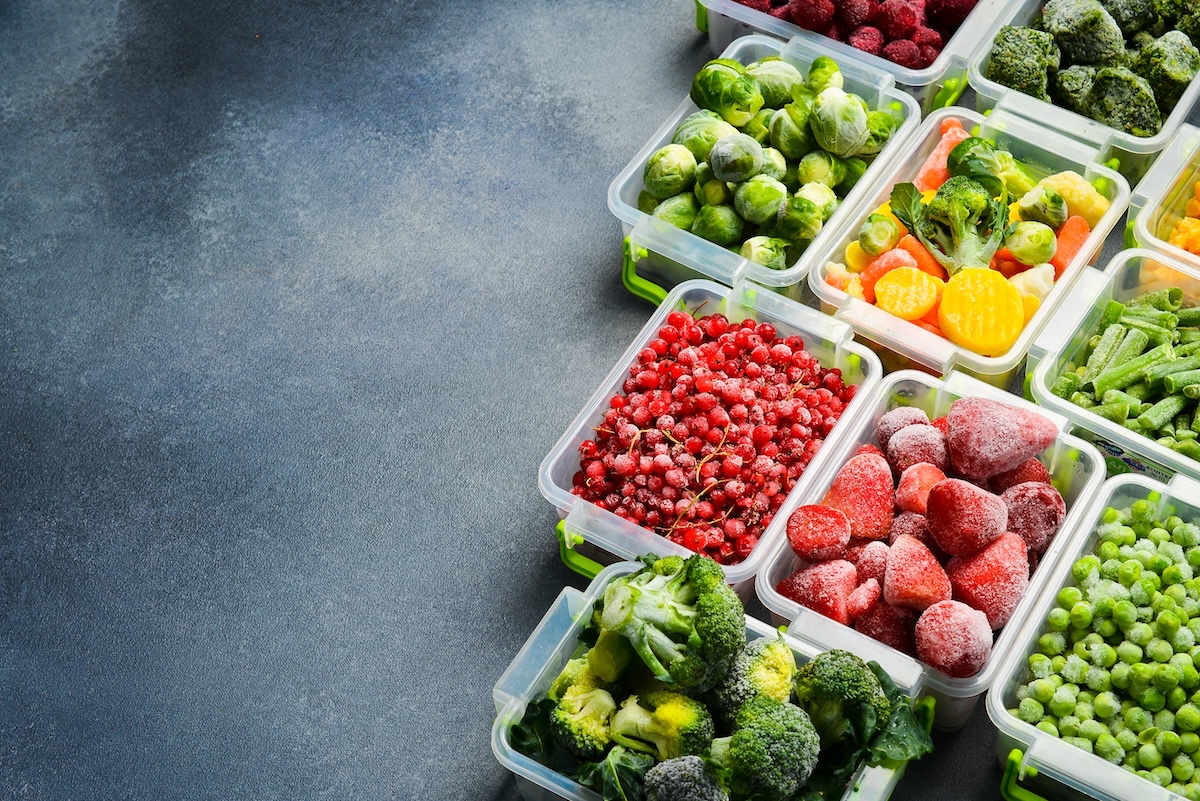
- Frozen vegetables with no added sauces
- Plain yogurt
- Fortified whole grain bread
- Canned beans with low sodium
These foods can support balanced meals and save time, money, and energy.
A Dietitian Perspective: What Actually Matters More Than “Natural”
Instead of focusing on whether a food is labeled natural, look at what it provides. Here are 4 main things to review on nutrition labels:
- Protein: Everyone’s protein needs differ depending on activity level. Read this article to learn how much protein may be right for you.
- Fiber: Women over 60 should aim for about 21 grams per day, while men should aim for about 30 grams per day.
- Added sugars: Women should keep added sugars under 25 grams per day and men under 36 grams to help support steady energy and blood sugar.
- Sodium: Aim for less than 2,300 milligrams per day, or closer to 1,500 milligrams if you are managing blood pressure.
Health is about patterns, not perfection. Food choices do not need to be all-natural to be healthy; they just need to provide the nutrients your body needs to feel its best.