For the first time in decades, the U.S. government is taking a new approach to its nutrition advice, and health headlines are buzzing about the new dietary guidelines (https://realfood.gov/) and their emphasis on "real food." Below, we break down what's getting praise, what's raising questions, and how to approach the new guidance in a realistic, flexible way.
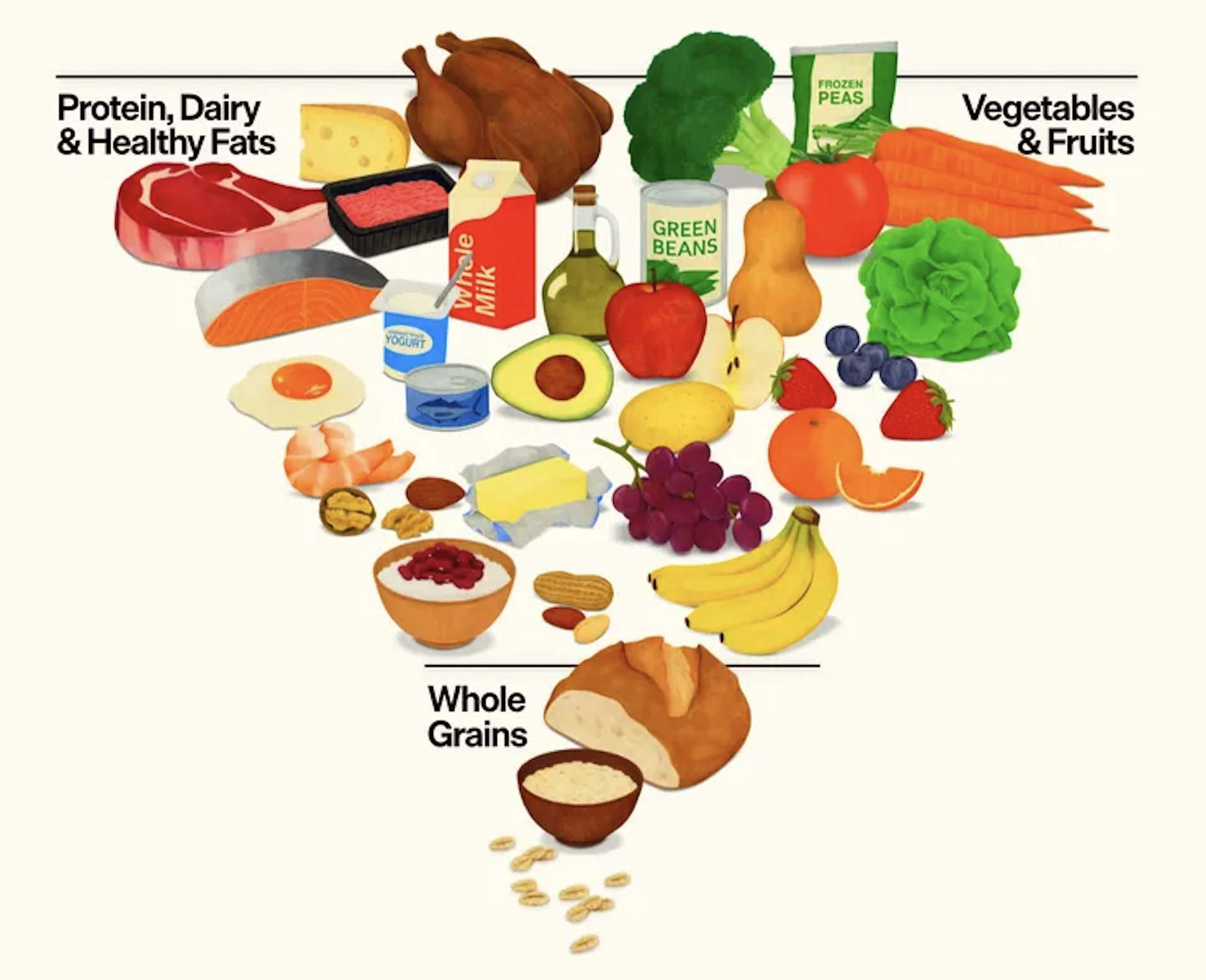
The Big Win: Less Ultra-Processed Food
One part of the new guidelines has been widely welcomed.
They place a stronger focus on cutting back on ultra-processed foods, such as:
- Sugary drinks
- Packaged snacks with long ingredient lists
- Highly processed meats
- Ready-to-eat foods designed to be hard to stop eating
Many health professionals, myself included, agree on this point: eating fewer ultra-processed foods can support better blood sugar control, heart health, and overall well-being. This is something I often emphasize with my patients.
Where Opinions Start to Differ: Meat and Dairy
This is where reviews become more mixed.
The new guidelines give more emphasis to animal-based proteins and dairy, including full-fat options. Some health experts see this as helpful, while others urge caution.
Why the concern?
- Not everyone responds to foods the same way
- Certain heart conditions require more careful balance
Another concern is balance. Protein is important, but many experts want to make sure people don’t crowd out foods like:
- Beans and lentils
- Whole grains
- Vegetables
- Healthy plant fats
These foods are strongly linked to long-term heart and metabolic health.

A Balanced Way to Think About the New Guidelines
From a dietitian's point of view, these guidelines work best as a starting framework—not a one-size-fits-all prescription.
A few practical takeaways:
- Yes, cut back on ultra-processed foods. This is one change that benefits nearly everyone. Reducing heavily processed snacks, sugary drinks, and packaged foods with long ingredient lists can make a real difference, even without other dramatic diet changes.
- Be mindful of saturated fat, especially if you have heart concerns. While the guidelines give more room for full-fat dairy and certain meats, this doesn't work equally well for everyone. If you have high cholesterol, heart disease, or a family history of cardiovascular issues, work with your care team to find the right balance for you.
- Personalize your nutrition based on your body's response. Research shows that people respond to the same foods differently based on their genetics, metabolism, and gut microbiome. What improves one person's health might not work the same way for another.
Final Thought
The mixed reviews around the new dietary guidelines aren’t a problem, they’re a reminder that nutrition is personal. If you’re unsure how this applies to you, reach out to your Care Team anytime!