Processed food simply means food that has been changed in some way. Processed is not always bad, though. Frozen vegetables, canned beans, plain yogurt, pre-cut fruit, roasted nuts, and 100% whole-grain bread are all processed to some degree. That does not make them unhealthy.
What “Ultra-Processed” Really Means
Ultra-processed foods are different. They are usually industrial products made with ingredients you would not normally use in your own kitchen. They are often designed to be convenient, shelf-stable, inexpensive, flavorful, and easy to overeat.
Common ultra-processed ingredients include:
- Protein isolates
- Modified starches
- Corn syrup or other concentrated sweeteners
- Artificial or low-calorie sweeteners
- Flavor enhancers
- Emulsifiers
- Preservatives
- Added colors
- Hydrogenated or highly refined oils
- “Natural” or artificial flavors
In simple terms, ultra-processed foods are often foods that have been taken apart, rebuilt, flavored, colored, sweetened, softened, crisped, or fortified to become something new.

Why They Matter for Your Health
Ultra-processed foods can affect health in several ways.
- First, they are often easy to overeat. Many are soft, sweet, salty, crunchy, or creamy in ways that make it hard to stop at one serving. They are designed for convenience and taste, not necessarily fullness.
- Second, they often replace more nourishing foods. If breakfast is a sweetened cereal bar, lunch is a frozen entrée, and snacks are protein cookies or chips, there may be less room in the day for vegetables, beans, fruit, whole grains, nuts, seeds, eggs, fish, or lean proteins.
- Third, many ultra-processed foods are high in added sugar, sodium, refined starches, saturated fat, or calories while being lower in fiber and naturally occurring nutrients.
Over time, eating a lot of ultra-processed foods may make it harder to support healthy blood sugar, blood pressure, cholesterol, gut health, weight, and energy levels. This does not mean one packaged snack ruins your health. It means your overall pattern matters.
Ingredients You Should Worry About
You do not need to memorize every food additive. But when a label contains several of the following, it is worth taking a closer look:
- Multiple added sugars and sugar substitutes, such as cane sugar, corn syrup, brown rice syrup, dextrose, maltodextrin, monkfruit extract, stevia extract, or fruit juice concentrate
- Artificial or low-calorie sweeteners, such as sucralose, aspartame, saccharin, acesulfame potassium, sorbitol, maltitol, xylitol
- Protein isolates, such as whey protein isolate, soy protein isolate, or pea protein isolate
- Flavorings, including “natural flavors” and artificial flavors
- Thickeners, Emulsifiers and stabilizers, such as carrageenan, polysorbate, xanthan gum, guar gum, starch or lecithin
- Preservatives, such as sodium benzoate, BHA, BHT, sodium nitrate, or sodium nitrite
- Added colors, such as Red 40, Yellow 5, Yellow 6, or Blue 1
- Flavor enhancers, such as MSG, disodium inosinate, or autolyzed yeast extract
One ingredient alone does not automatically make a food harmful. But a long list of these ingredients usually means the product is more engineered than simple.
Quick rule of thumb: The longer the ingredient list, the more likely it’s ultraprocessed.
What You Can Do
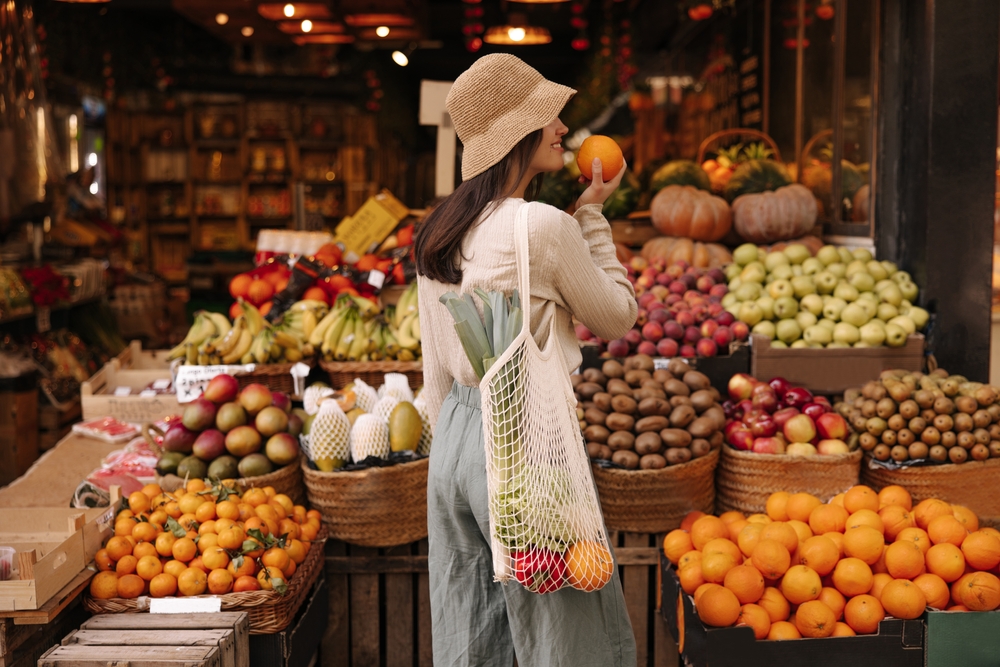
- Choose fresh or frozen fruits and vegetables more often.
- Snack on nuts, fruit, plain yogurt, or homemade granola
- Pick whole grains (like oatmeal, brown rice, or 100% whole-grain, natural breads with simple ingredients).
- Swap soda for water, infused water, or unsweetened tea.
- Limit bacon, sausage, and hot dogs to rare occasions.
Bottom Line
You don’t have to cut out every processed food. The goal is to eat less ultraprocessed food and build most of your meals around simple, whole ingredients.💚