Eating well doesn’t have to be expensive. With a little planning and a few smart shopping habits, you can enjoy nutritious, satisfying meals without stretching your budget. Here are 10 simple, practical tips to help you save money and eat healthier at the same time.
1. Cook More Meals at Home
Preparing your own meals is one of the easiest ways to save money. Home-cooked dishes usually cost far less than takeout and allow you to control ingredients like salt, sugar, and cooking oil.
New to cooking? Our article The Benefits of Cooking and How to Start can help you get started.

2. Check Ads and Weekly Discounts
Browse store flyers, apps, and loyalty programs before you shop. Buying items that are on sale—especially staples like meat, beans, frozen vegetables, or whole grains—can significantly reduce your grocery bill.
3. Plan and Prep Meals Ahead
Planning your meals for the week helps you avoid impulse purchases and reduces food waste. Prepping ingredients in advance also makes it easier to stick to healthier choices during busy days.
If you’re interested in learning about meal prep, check out Be a Meal Prepping Star! 6 Steps to Get You Started to get a jump start.

4. Shop After Eating
Going to the store hungry often leads to overspending and less-healthy impulse buys. Shopping with a full stomach helps you stay focused on your list and your budget.
5. Choose Cheaper Cuts of Meat
Less expensive cuts—like whole chicken, chicken thighs, pork shoulder, brisket, ground turkey, or tilapia—are just as nutritious as pricier options. Many of these cuts also work well in slow-cooker meals, soups, or stews.
6. Buy Frozen or Canned Produce
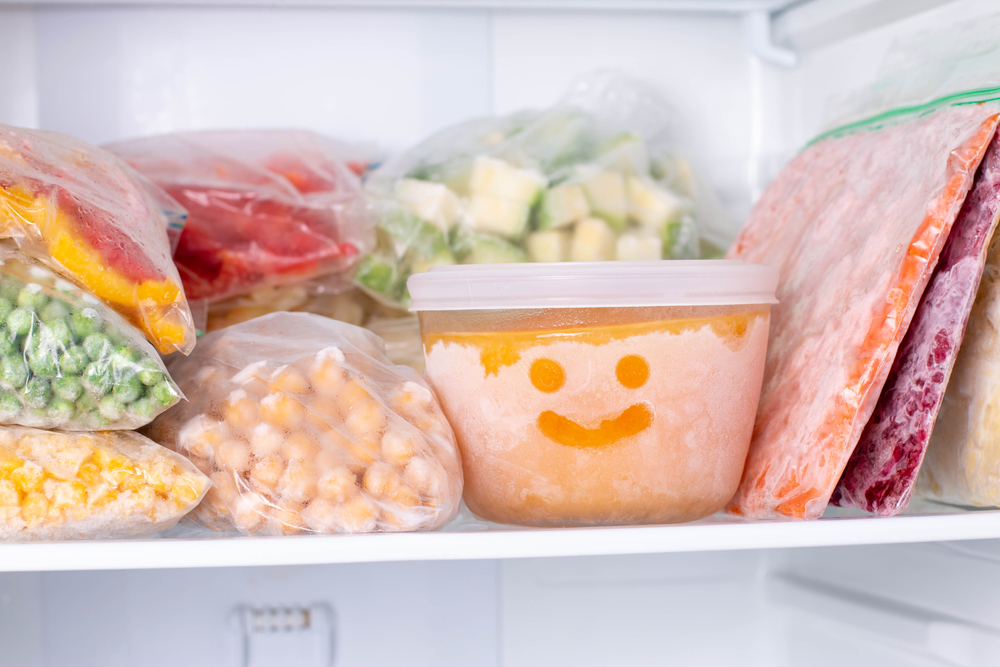
Frozen and canned fruits and vegetables are budget-friendly, nutritious, and long-lasting. They’re often picked at peak freshness and can be just as healthy as fresh produce. Choose options without added sugar or salt when possible.
7. Buy in Bulk When It Makes Sense
Staples like oats, rice, beans, nuts, and whole grains are often cheaper in larger quantities. Bulk buying reduces packaging waste and ensures you always have healthy ingredients on hand.
8. Pick Whole Foods Over Processed Foods
Whole foods—like potatoes, carrots, apples, and cabbage—tend to cost less per serving and keep you fuller longer compared to packaged snacks or convenience meals.
9. Buy Store Brands
Store-brand products are typically just as nutritious as brand-name items but cost significantly less. They’re a great way to save on basics like cereals, pasta, canned goods, and frozen vegetables.
10. Choose Seasonal Fruits and Vegetables
Seasonal produce is usually fresher, tastier, and easier on your budget. Try shopping for seasonal deals or visiting farmers markets near closing time for extra savings. Here’s a handout that sums it up for you:

Bottom Line
Eating healthy on a budget is absolutely possible. With thoughtful planning, smart shopping, and simple home cooking, you can nourish your body without overspending. Start with just one or two of these tips this week, and you’ll notice the savings—and the health benefits—add up quickly.