Managing diabetes day in and day out can feel like a never-ending battle. Between checking blood sugars, taking medications, planning meals, and staying active, it’s easy to feel emotionally drained or even disconnected from your care. This experience, known as diabetes burnout, is more common than many people realize and it does not mean you’re failing. It means you’re human.
In this article, we’ll explore what diabetes burnout looks like, why it happens, and small, realistic steps that can help you feel more supported and back on track without adding more stress.
What Diabetes Burnout Really Feels Like
Diabetes burnout is not laziness, it's emotional exhaustion from sustained effort and stress. People experiencing burnout often want to live long, healthy lives, but the relentless work of diabetes can feel too heavy at times. This is a very normal reaction to a condition that demands attention 24 hours a day with no breaks or vacations. Negative feelings such as frustration, anger, feeling controlled by diabetes, isolation, or avoidance of self-care tasks are common signs of burnout.
Recognizing burnout is an important first step. Naming it can reduce guilt and open the door to more compassionate self-care.
How ‘Simplifying It’ Can Actually Help
When you feel burned out, the idea of perfect management can feel crushing. Many people with diabetes are their own toughest critics, holding themselves to high expectations that may not be realistically sustainable. But diabetes does not always obey logic or effort. Even when you do everything “right,” blood sugars can behave unpredictably. Expecting perfection sets you up for frustration and discouragement.
Rather than focusing on perfection, try identifying manageable actions that are realistic for right now, for example:
- Taking medications as prescribed
- Doing a paired reading once daily instead of multiple times a day
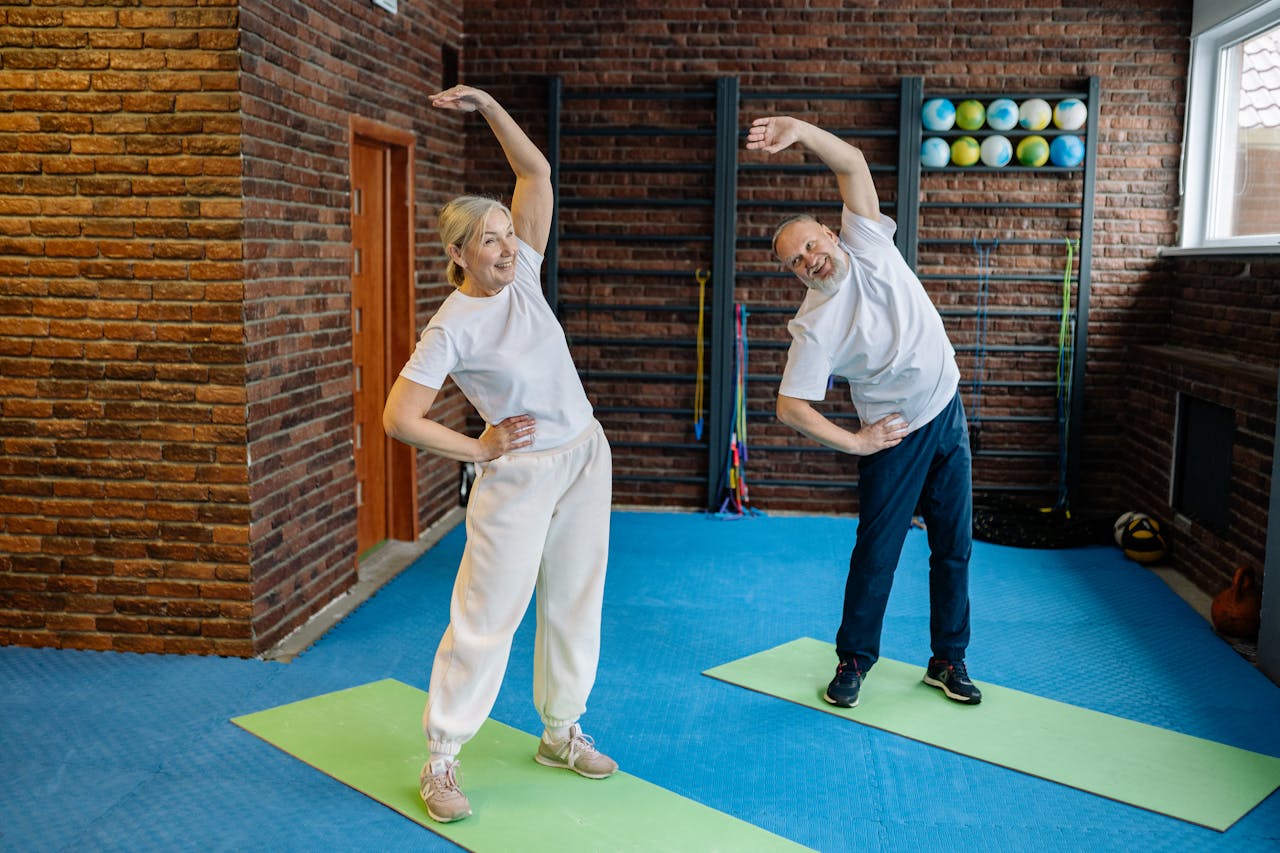
- Exercising by going for a short 5 to 10 minute walk after meals
Small daily wins help to rebuild confidence. This isn’t about lowering standards; it’s about recognizing your motivation levels in the moment and recognizing that consistency, no matter how modest matters more than perfection.
Emotional Coping Tools That Fit Real Life
Addressing burnout means supporting mental health alongside physical health. The goal is not to fix your feelings, but to make space for them.
Helpful, realistic coping tools include:
- Being okay with feeling frustrated without labeling it as failure
- Check-in moments, asking yourself, “What feels hardest right now?” and addressing possible work arounds for it.
- Supportive conversations with your healthcare team about emotional barriers and challenges
Reaching out for emotional support; whether from trusted friends, family, peer communities, or a professional who understands diabetes care is a strength, not a sign of weakness. Feeling supported does not fix diabetes, but it helps to make it feel more manageable.
Getting Back on Track Without Starting Over
If burnout has led to stepping back from self-care routines, you don’t have to restart “from scratch.” Recovery from burnout is not about flipping a switch; it’s about taking gradual, thoughtful steps toward engagement again.
Try starting with one small, specific task that feels doable today. When that feels comfortable, build on it gradually. If you’ve fallen off your routine:
- Resume care at the point that feels most manageable
- Let go of “shoulds” tied to past goals
- Focus on today, not the past and what’s already been done
As you ease back into your routine, you may find motivation and confidence return more steadily than if you tried to force a full routine all at once.
Takeaways
Diabetes burnout is a valid emotional response to a condition that never rests. By recognizing emotional fatigue, lowering the pressure for perfection, and using small, flexible strategies, it is possible to stay engaged without feeling overwhelmed. Burnout tells you that you need care, not judgment. Giving yourself space, patience, and one small action at a time is a compassionate way to stay on track with diabetes without adding more pressure.