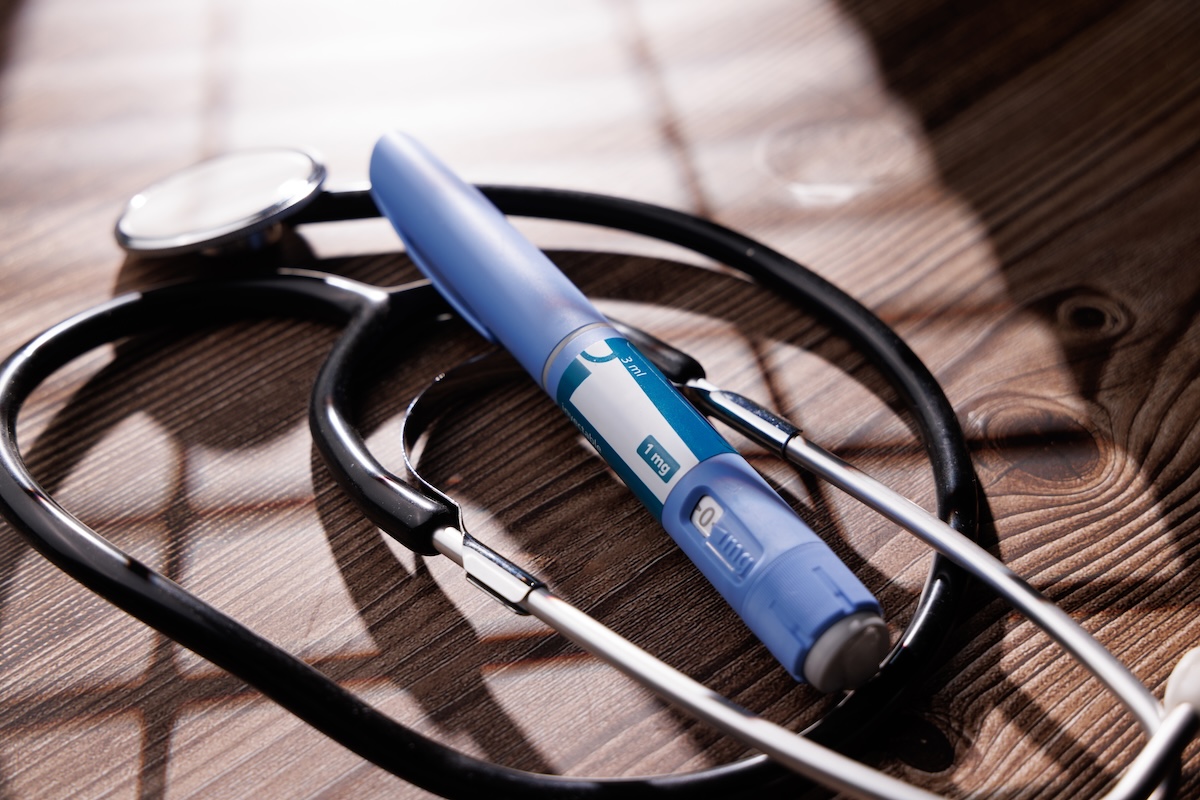
GLP-1 medications can be powerful tools for weight loss and blood sugar control. But what happens when you stop taking them? The short answer is this: stopping a GLP-1 does not undo your progress overnight. What happens next depends largely on the habits you build while you are on it. Think of GLP-1s as a support phase. When you use that time to adjust how you eat, move, and fuel your body, those habits can continue to support you even after the medication ends.
What GLP-1s Do While You Are On Them
GLP-1 medications work by changing how your body handles appetite and digestion.
While you are taking them, you may notice:
- You feel full faster
- You stay full longer
- Cravings feel quieter
- Portions naturally get smaller
That can be motivating because weight loss might feel easier than it ever has before.
What Changes After You Stop GLP-1s
When you stop taking a GLP-1, your body gradually returns to its usual signals.
You may notice:
- Hunger cues become stronger again
- Portion sizes feel less automatic
- Cravings return more quickly
- Weight loss slows or levels off
This does not mean the medication failed. It simply means the “extra support” is no longer there. If eating patterns stayed very minimal or unbalanced during treatment, adjusting can feel challenging at first. That is often when people notice some weight regain or find it harder to maintain muscle.
How to Support Your Weight After GLP-1s
Instead of thinking of GLP-1s as the solution, it can help to see them as a window of opportunity. Here is what to focus on while you are on the medication.
1. Practice Balanced Meals Even When You Are Not Hungry
When appetite is low, it is tempting to eat very little or skip meals. Over time, this can make weight and muscle maintenance harder.
Use this phase to practice:
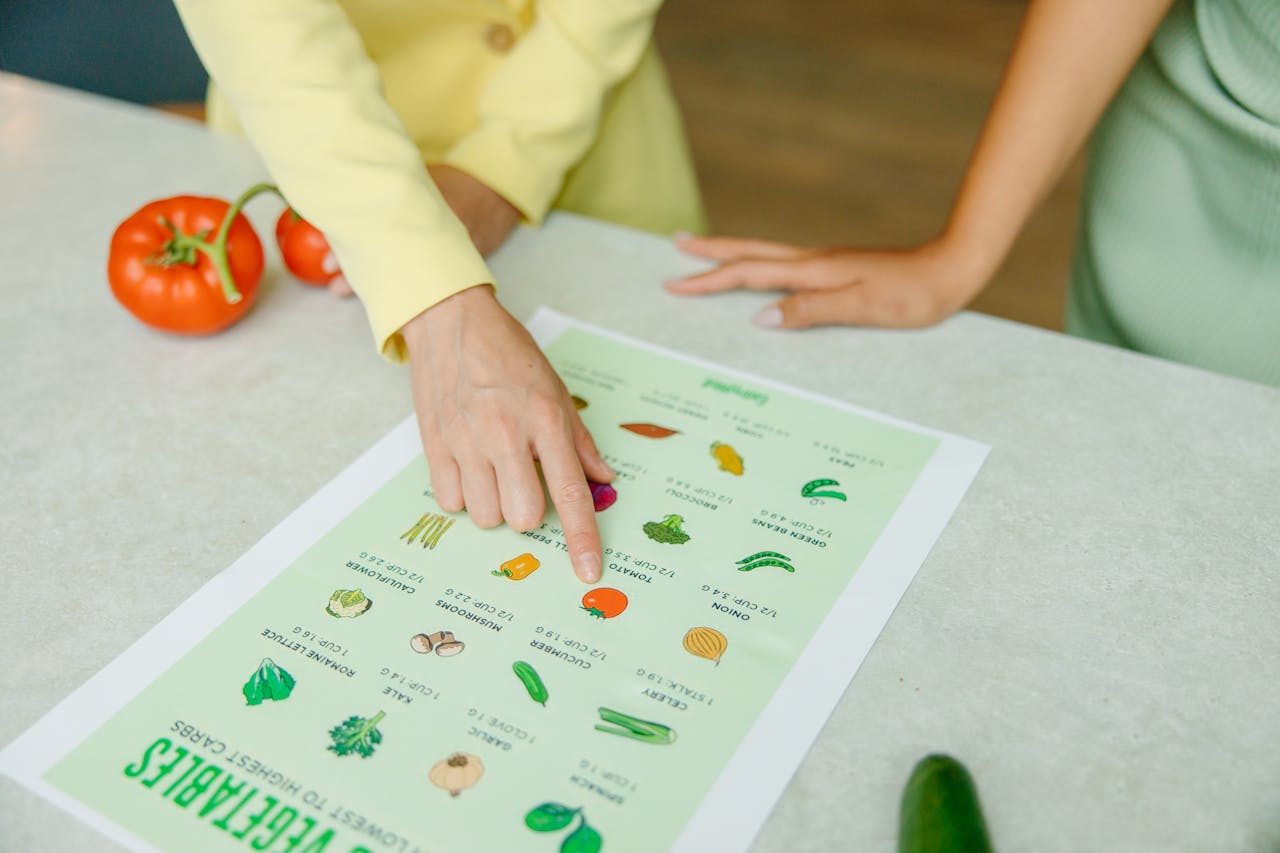
- Eating regular meals following the portioned plate method
- Stopping when you feel comfortably full, not stuffed
2. Prioritize Protein to Support Muscle
Muscle helps keep your metabolism steady. Protecting it makes long-term weight maintenance easier.
Aim to:
- Include protein at each meal
- Spread protein intake across the day
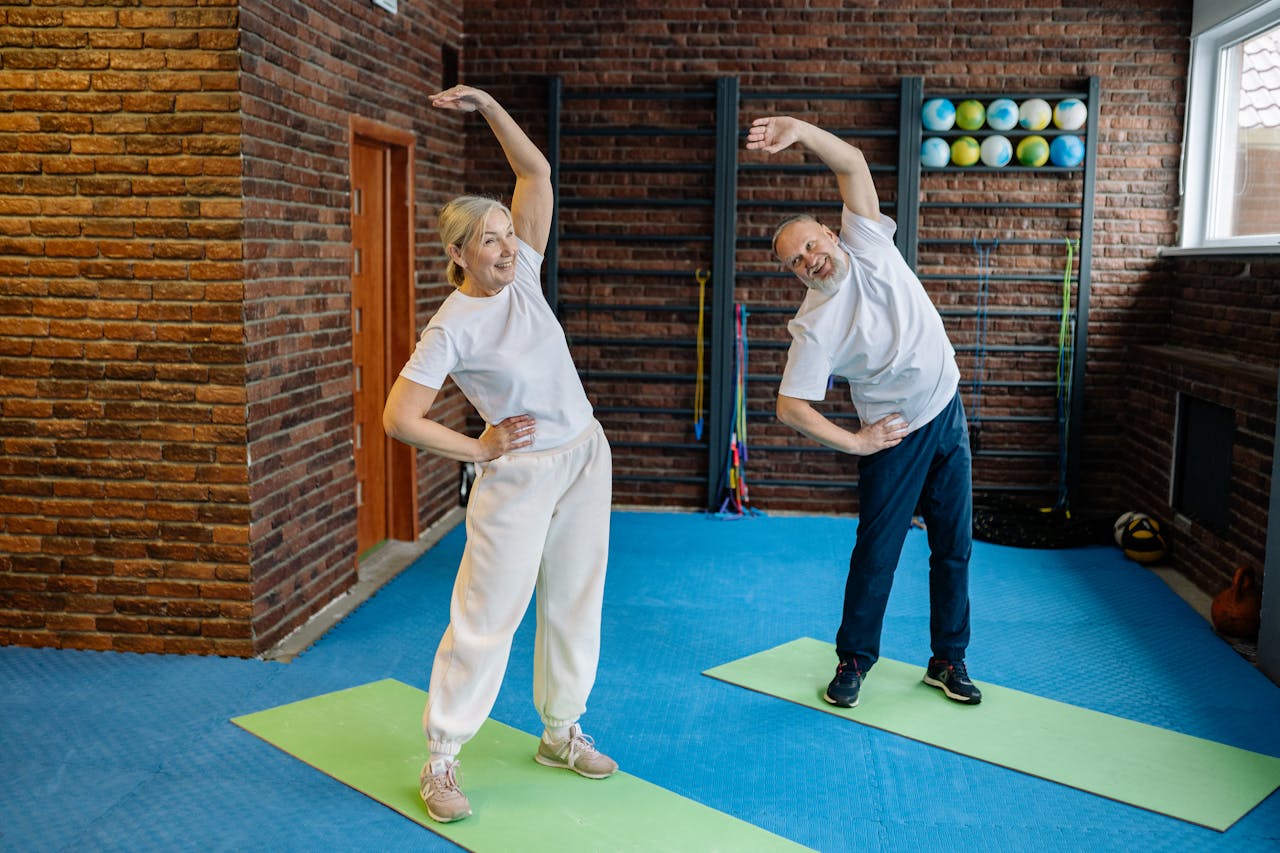
3. Establish an Exercise Routine
While you’re on GLP-1, spend some time exploring different types of movement and notice what you enjoy and can realistically stick with. The best routine is one you can maintain.
Try to include a mix of:
- Cardio for heart health and daily energy
- Strength to help maintain muscle
- Stretching or mobility to support flexibility and recovery
This could include:
- Weight lifting or bodyweight exercises
- Yoga, pilates, or pickleball
- Walking after meals
The Takeaway
The time you are on GLP-1 medication is a chance to build habits with less friction. By practicing balanced eating, prioritizing protein, and maintaining strength, you give yourself a smoother transition later. You got this!