Fats are an essential nutrient in the diet. They provide energy and help the body absorb fat-soluble vitamins (A, D, E, and K). However, not all fats affect health in the same way. Understanding the difference between fats to limit and beneficial fats is important for supporting cardiovascular health, managing cholesterol levels, and reducing the risk of chronic disease.
A diet high in saturated and trans fats can increase low-density lipoprotein (LDL), often called “bad cholesterol,” and raise the risk of heart disease and stroke. Excess intake may also contribute to weight gain, insulin resistance, chronic inflammation, and difficulty controlling blood pressure.
Replacing unhealthy fats with healthier fats can significantly reduce these risks.

Saturated and Trans Fats (Fats to Limit)
Saturated Fats
Saturated fats are found mainly in animal products and certain tropical oils. They are usually solid at room temperature.
Common sources include:
- Beef
- Lamb
- Pork
- Beef fat (tallow)
- Lard and cream
- Butter
- Cheese
- Ice cream
- Coconut oil
- Palm oil
- Palm kernel oil
- Some baked and fried foods
- Grain-based crackers and desserts
- Many fast-food combination meals
Trans Fats
Trans fats are produced through a process called hydrogenation and are considered the most harmful type of fat.
They are commonly found in:
- Commercial fried foods
- Fast food
- Ultra-processed products
- Margarines
- Industrial baked goods and pastries
Why Limit These Fats?
- Increase LDL (“bad”) cholesterol
- Decrease HDL (“good”) cholesterol
- Promote fatty plaque buildup in arteries (atherosclerosis)
- Increase the risk of heart disease, high blood pressure, and type 2 diabetes
Recommendation: Limit intake as much as possible and prioritize healthier fat sources.

Beneficial Fats (Recommended)
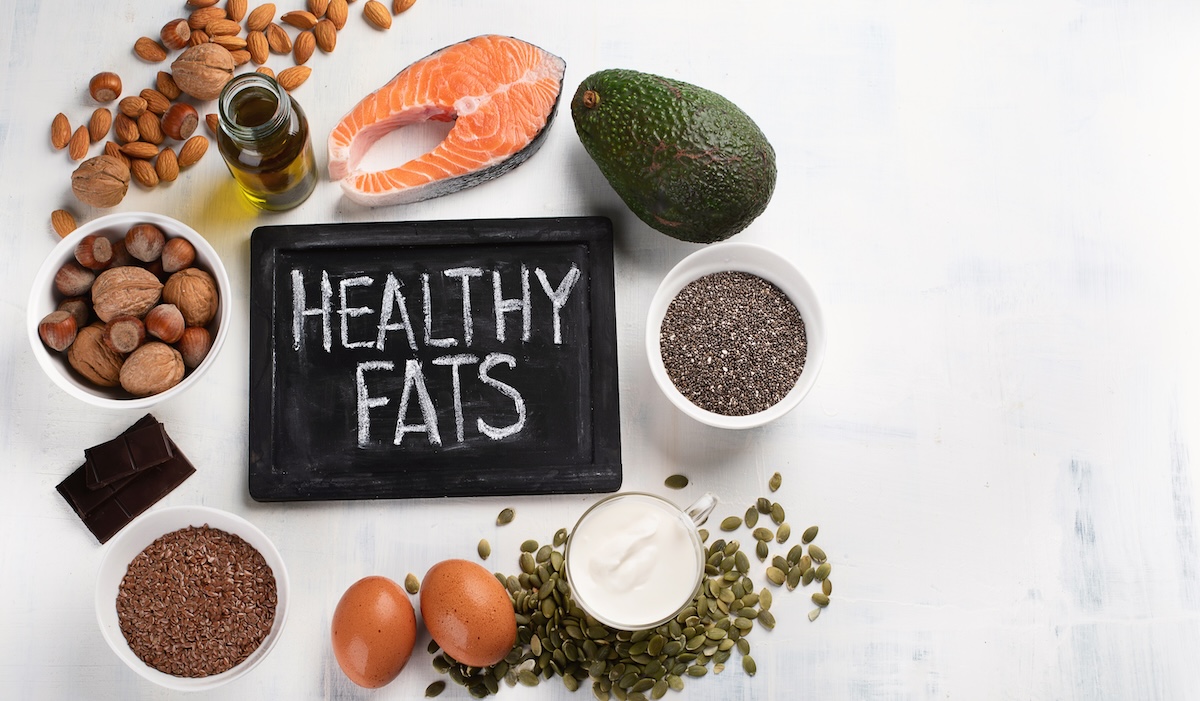
Beneficial fats support heart health and help manage cholesterol levels. They are typically liquid at room temperature and are found mainly in plant-based foods and fish. These fats can reduce inflammation, support heart rhythm, and offer protective health benefits.
Monounsaturated Fats
Help lower LDL cholesterol.
Sources include:
- Extra virgin olive oil
- Avocado
- Olives
- Nuts such as almonds, hazelnuts, and macadamia nuts
- Seeds such as sunflower and sesame seeds
Polyunsaturated Fats
Contain essential fatty acids that the body cannot produce and are important for brain and cellular function.
Sources include:
- Fatty fish such as salmon, sardines, mackerel, and tuna
- Chia seeds
- Flaxseeds
- Walnuts
Omega-3 Fatty Acids
A particularly beneficial type of polyunsaturated fat that helps reduce inflammation, lower triglycerides, and support cardiovascular health.
Main sources include:
- Oily fish
- Chia seeds
- Flaxseeds
- Walnuts
🔖 Save this article so it doesn't get lost!