Kidneys at Work: How Healthy Habits Mimic SGLT-2 Medications
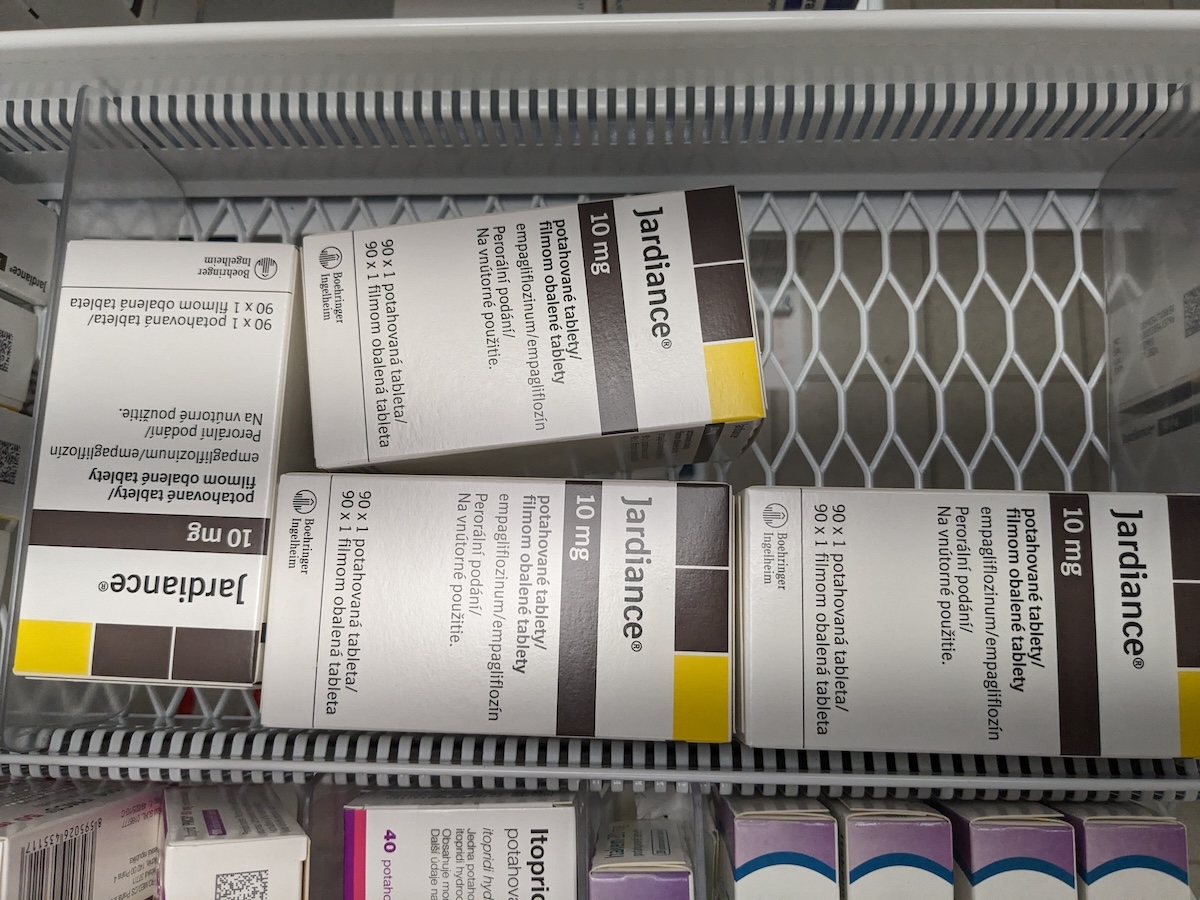
If you’ve been recently diagnosed with Type 2 diabetes, your healthcare provider may have prescribed a medication in the Sodium-Glucose Cotransporter-2 (SGLT-2) inhibitor class. These medications are newer than older drugs like metformin and work through a completely different organ, the kidneys!
Understanding how they work can help you pair the right lifestyle habits with their effects, potentially boosting your results and gaining added benefits beyond blood sugar control.
Let’s take a closer look at what these medications do and how your daily actions can mimic or support their impact.
What Do SGLT-2 Inhibitors Do?
Under normal conditions, your kidneys filter about 180 grams of glucose a day and nearly all of it is reabsorbed back into your bloodstream by special transporters called SGLT-2. In people with type 2 diabetes, this process can make blood sugar harder to control as the kidneys “recycle” too much glucose, contributing to persistent high blood sugar and kidney stress.
SGLT-2 inhibitors work by blocking this reabsorption. Instead of recycling sugar, they help your kidneys flush the excess glucose and sodium out through urine, lowering blood sugar levels and sometimes reducing blood pressure.
- Think of it like opening a small “sugar release valve” helping your body naturally eliminate the excess glucose instead of storing it.
Who Usually Takes SGLT-2 Inhibitors?
These medications are typically prescribed for adults with Type 2 diabetes, especially those who also have:
- Heart disease or risk of heart failure
- Chronic kidney disease (CKD)
- A1c levels above goal despite other oral medications
The American Diabetes Association (ADA) recommends early use of SGLT-2 inhibitors for people with these conditions due to their added kidney and heart-protective benefits.
How They’re Taken and What to Know
SGLT-2 inhibitors are oral medications, usually taken once daily, with or without food depending on the specific brand and your provider’s guidance.
Your healthcare provider will check your kidney function (eGFR) before starting treatment and regularly thereafter, since the medication’s effectiveness depends on healthy kidney filtration.
Stay hydrated: As these medications increase urination and sodium loss, drink water regularly throughout the day; especially if you take diuretics, live in a hot climate, or have low blood pressure.
Potential Risks: Euglycemic DKA
One rare but serious side effect of SGLT-2 inhibitors is euglycemic diabetic ketoacidosis (DKA). Unlike typical DKA, where very high blood sugar levels cause the body to break down fat for energy and produce acidic ketones that build up in the blood, euglycemic DKA may occur with a only mildly elevated blood glucose. This can make it harder to recognize. Here are some signs to watch for:
- Nausea or vomiting
- Abdominal pain
- Unusual fatigue or weakness
- Rapid breathing or shortness of breath
- Fruity-smelling breath
If you notice any of these symptoms, seek medical attention immediately, even if your blood sugar seems normal. Staying hydrated, following your meal plan, and taking your medication exactly as prescribed can help reduce the risk of EDKA.
Everyday Habits That Support SGLT-2 Inhibitor Action
You can help these medications work more effectively and protect your kidneys by adopting a few simple daily habits.
- Move Your Body: Light to moderate exercise, like walking, cycling, or strength training, helps your muscles use sugar more efficiently complementing the way the medicine helps your kidneys remove extra glucose.
- Eat Smart: Balanced meals with lean protein, whole grains, beans, and non-starchy vegetables can help prevent big blood sugar spikes. Try to eat meals every 4–5 hours to keep blood sugar steady and reduce extra work for your kidneys.
- Track and Monitor: Keep a log of your blood sugar and any symptoms. Regular check-ins with your healthcare provider to review labs, kidney function, and overall goals help keep you on track.
- Take Your Medication Consistently: Follow your prescription and if you miss a dose, take it as soon as you remember unless it’s close to your next dose.

Key Takeaways
- SGLT-2 inhibitors lower blood sugar in a unique way — through your kidneys, not insulin. They help your body release excess glucose and sodium, supporting not only blood sugar control but also heart and kidney health.
- By combining the medication with smart habits — balanced meals, regular movement, and adequate hydration — you can mimic and enhance its effects naturally.
- In short: the more you support your kidneys through hydration, nutrition, and consistent activity, the better these medications (and your body) can do their job.