What Is Sleep Apnea?
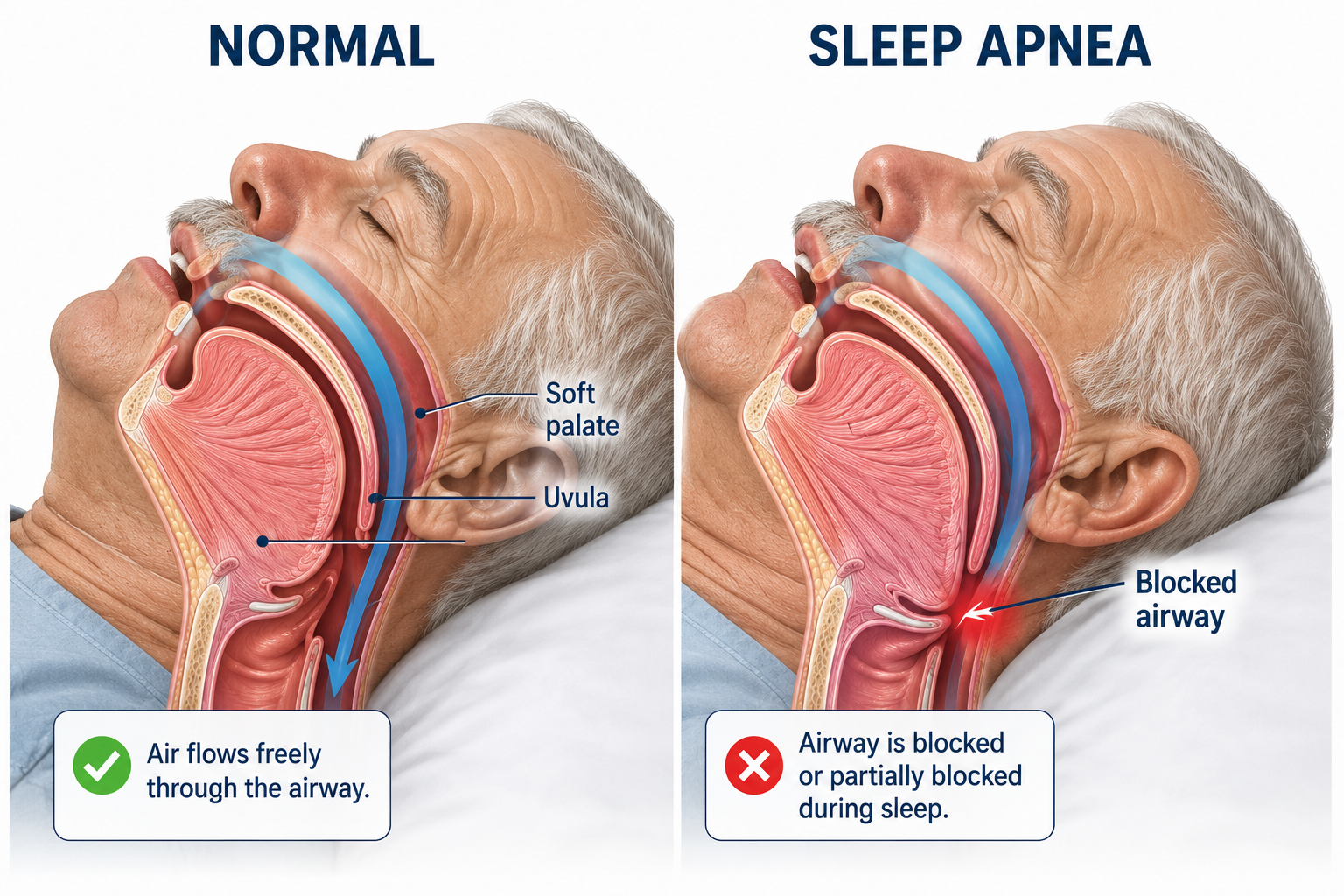
Sleep apnea is a condition in which breathing repeatedly stops and starts during sleep. The most common type, obstructive sleep apnea (OSA), occurs when the airway becomes partially or completely blocked while sleeping.
These pauses in breathing can happen dozens or even hundreds of times each night, often without the person realizing it.
How Sleep Apnea Affects Blood Pressure
Every time breathing stops, the body's oxygen levels drop. This triggers a stress response that causes the release of hormones such as adrenaline.
Over time, this can:
- Increase blood pressure during sleep
- Cause blood pressure to remain elevated during the day
- Make blood pressure medications less effective
- Increase the risk of heart attack, stroke, and irregular heart rhythms
Many people with difficult-to-control high blood pressure also have undiagnosed sleep apnea.
How Sleep Apnea Affects Blood Sugar
Poor sleep and repeated drops in oxygen can make it harder for the body to use insulin effectively.
This may lead to:
- Higher fasting blood sugar levels
- Increased insulin resistance
- Prediabetes
- Difficulty managing diabetes
- Increased cravings for sugary foods and carbohydrates
Research has shown that treating sleep apnea can improve blood sugar control in some individuals.
Common Signs and Symptoms of Sleep Apnea
You may want to discuss a sleep study with your primary care provider (PCP) if you experience any of the following:
During Sleep
- Loud, frequent snoring
- Gasping, choking, or snorting during sleep
- Witnessed pauses in breathing
- Restless sleep
- Frequent nighttime awakenings
- Waking up to urinate multiple times per night
During the Day
- Morning headaches
- Excessive daytime sleepiness
- Feeling unrefreshed after sleeping
- Difficulty concentrating or memory problems
- Irritability or mood changes
- Falling asleep while reading, watching TV, or driving
Who Is at Higher Risk?
Risk factors include:
- Excess weight, especially around the neck or abdomen
- High blood pressure
- Prediabetes or diabetes
- Family history of sleep apnea
- Age over 40
- Large neck circumference
- Smoking
- Alcohol use, especially before bedtime
However, sleep apnea can occur in people of any age or body size.
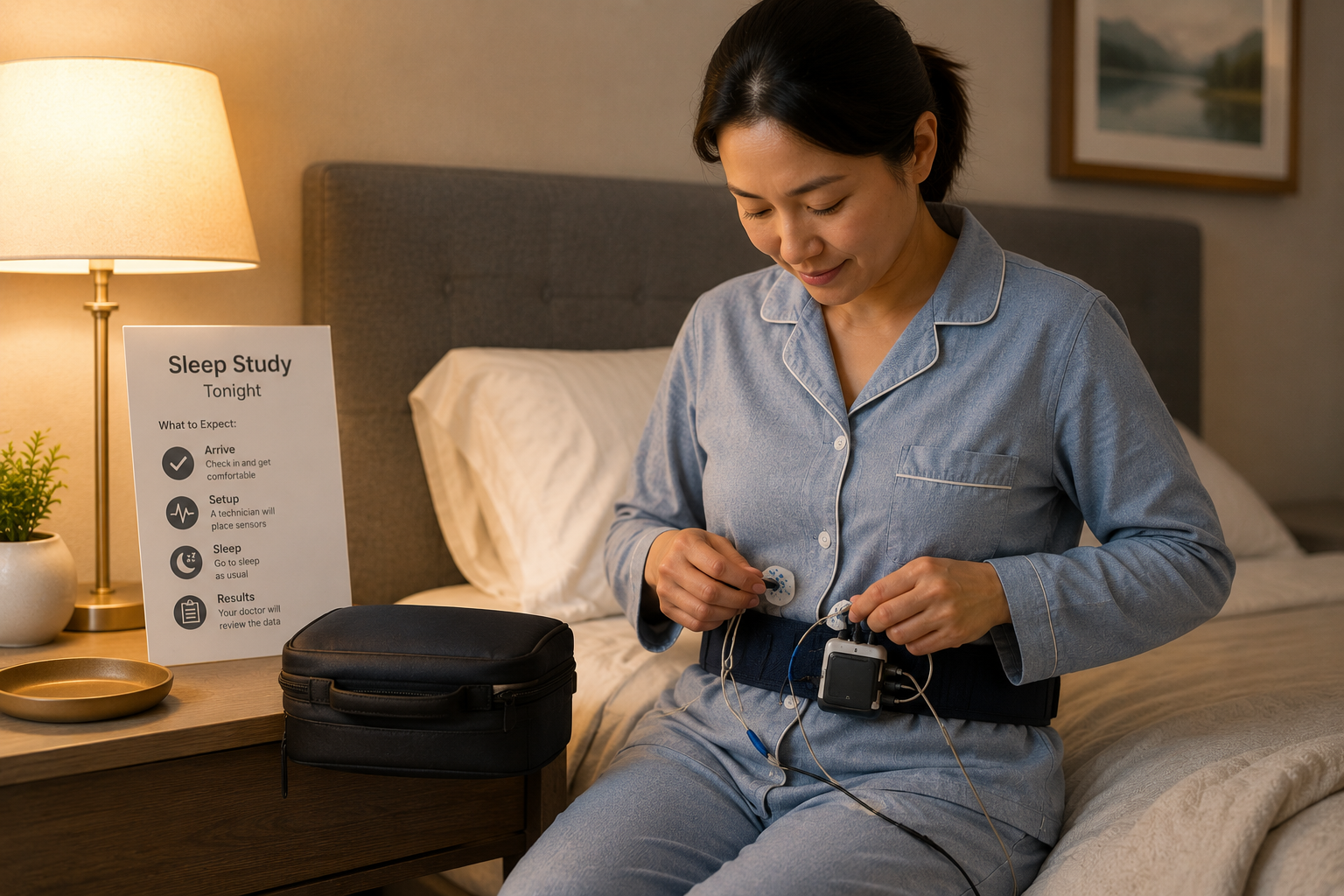
When Should You Consider a Sleep Study?
Talk with your healthcare provider about a sleep study if you:
- Snore loudly and frequently
- Feel tired despite getting enough sleep
- Have high blood pressure that is difficult to control
- Have prediabetes or diabetes with unexplained blood sugar elevations
- Have been told you stop breathing during sleep
- Wake up gasping or choking
The Good News
Sleep apnea is highly treatable. Treatment may include weight management, positional therapy, oral appliances, or continuous positive airway pressure (CPAP) therapy. Improving sleep apnea can lead to better energy, improved blood pressure control, and healthier blood sugar levels.
If you think you may have sleep apnea, speak with your PCP about whether a sleep study is right for you.