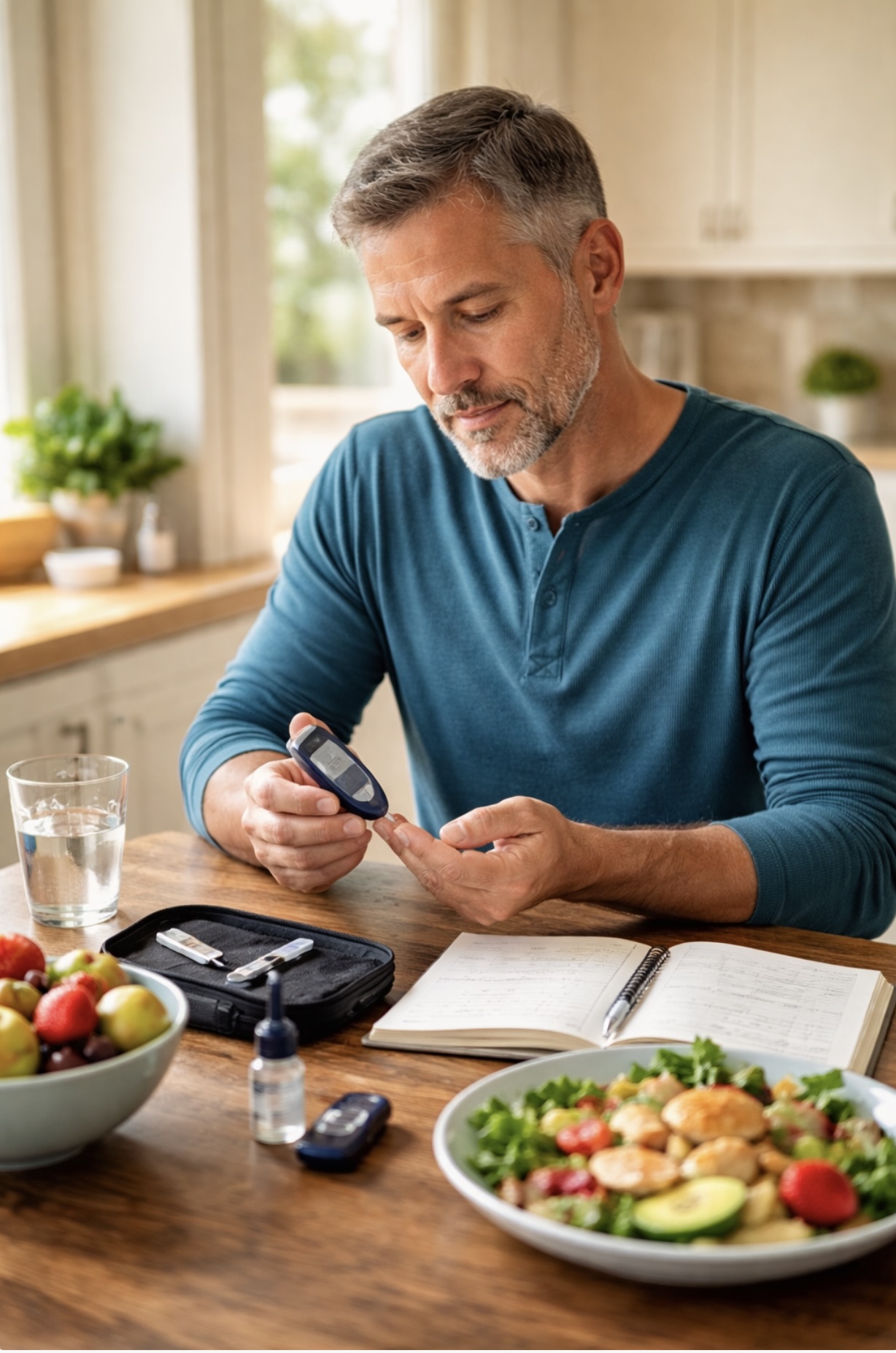
Monitoring your blood sugar regularly is one of the most important tools for managing diabetes. Many people have a routine—checking their glucose in the morning, before meals, or at bedtime. But there are certain situations when your body may respond differently, and your usual monitoring schedule may not provide enough information to keep your blood sugar in a healthy range.
During these times, checking your glucose more often can help you catch highs or lows early, adjust your habits safely, and avoid complications.
Here are some common situations when more frequent glucose monitoring may be helpful.
1- When You Are Sick
Illness can significantly affect blood sugar levels, even if you’re eating less than usual. When your body is fighting an infection, it releases stress hormones that can cause blood glucose to rise.
During sick days, it’s usually recommended to check your glucose every 2–4 hours if levels are unstable or higher than normal. Monitoring more closely can help you:
- Catch dangerous spikes in blood sugar
- Adjust medications if recommended by your provider
- Prevent dehydration or diabetic ketoacidosis (DKA)
Staying hydrated and continuing to monitor regularly during illness is essential for safe diabetes management.
2- When You Start or Change a Medication
Starting a new diabetes medication—or adjusting the dose of an existing one—can change how your body responds to glucose. Some medications may lower blood sugar more effectively than expected, while others may take time to reach their full effect.
More frequent monitoring during this transition period can help you:
- Identify patterns in how the medication affects your glucose
- Detect potential hypoglycemia (low blood sugar)
- Work with your provider to fine-tune your treatment plan
Many healthcare providers recommend checking more frequently for several days to a few weeks after a medication change.
3- When You Change Your Exercise Routine
Physical activity has a powerful effect on blood sugar. Exercise can lower glucose levels by helping your muscles use sugar for energy, but the response can vary depending on the type, intensity, and duration of the activity.
If you are starting a new workout routine or significantly increasing your activity level, checking glucose:
- Before exercise
- After exercise
- Several hours later
can help you understand how your body responds and prevent delayed low blood sugar.

4- When You Make Major Changes to Your Diet
Changes in your eating habits can also impact blood sugar levels. For example:
- Starting a low-carbohydrate diet
- Increasing fiber intake
- Practicing intermittent fasting
- Changing meal timing
All of these adjustments can alter how your glucose levels fluctuate throughout the day.
Monitoring more often during the first few weeks of a new diet can help you learn how your body responds and prevent unexpected highs or lows.
5- When You Experience Frequent High or Low Blood Sugar
If you notice repeated glucose readings outside of your target range, increasing monitoring temporarily can help identify patterns.
You may want to check more frequently if you experience:
- Multiple high readings in a row
- Unexpected low blood sugar episodes
- Symptoms such as dizziness, fatigue, or shakiness
More data can help you and your healthcare team determine whether changes in medication, diet, or activity are needed.
6- When You Are Under High Stress
Stress—both physical and emotional—can affect blood sugar levels. When you are stressed, the body releases hormones such as cortisol and adrenaline that can increase glucose levels.
Situations that may increase stress include:
- Major life events
- Travel
- Poor sleep
- Work deadlines
Checking your glucose more often during stressful periods can help you stay aware of how your body is responding.
7- When You Are Traveling
Travel often disrupts normal routines. Changes in time zones, meal timing, activity levels, and sleep patterns can all influence blood sugar levels.
More frequent monitoring while traveling can help you adapt to these changes and maintain stable glucose levels.
The Bottom Line
Regular glucose checks are an important part of diabetes management, but certain situations require closer monitoring. Illness, medication changes, new exercise routines, diet adjustments, stress, and travel can all affect blood sugar levels in ways that make additional checks helpful.
Even if your routine has been stable for a long time, it's important to pay attention to how you feel. Symptoms such as shakiness, sweating, confusion, excessive thirst, or unusual fatigue may signal that your blood sugar is outside your target range.
When something feels off, checking your glucose can provide important information and help guide your next steps.
If you're unsure how often you should be checking your glucose in a particular situation, speak with your healthcare provider for personalized guidance.