Losing more hair than usual can feel unsettling, especially when there’s no obvious cause. While shedding some hair every day is normal, ongoing or excessive hair loss can sometimes be a sign that your body isn’t getting the nutrition it needs. Understanding this connection can help you address the root cause instead of just the symptom.
Why It Happens
Hair follicles are some of the most metabolically active cells in the body, and they need a steady supply of protein, iron, zinc, and other nutrients to keep growing. When your diet falls short, or a health condition limits how well you absorb nutrients, your body prioritizes essential functions over hair growth and pushes more follicles into a resting phase. This shift, known as telogen effluvium, often shows up as noticeably increased shedding two to three months after the nutritional stress began.\
What It Looks Like
Malnutrition-related hair loss usually shows up as diffuse thinning across the scalp rather than a specific bald patch, along with an increase in strands you notice in your brush, shower drain, or pillow. It’s often accompanied by other signs like fatigue, brittle nails, or unintentional weight loss. Because hair loss has so many possible causes, it’s worth paying attention when it appears alongside these other clues.
How to Manage It
- Eat enough protein at each meal, 3 times per day, since hair is made mostly of protein
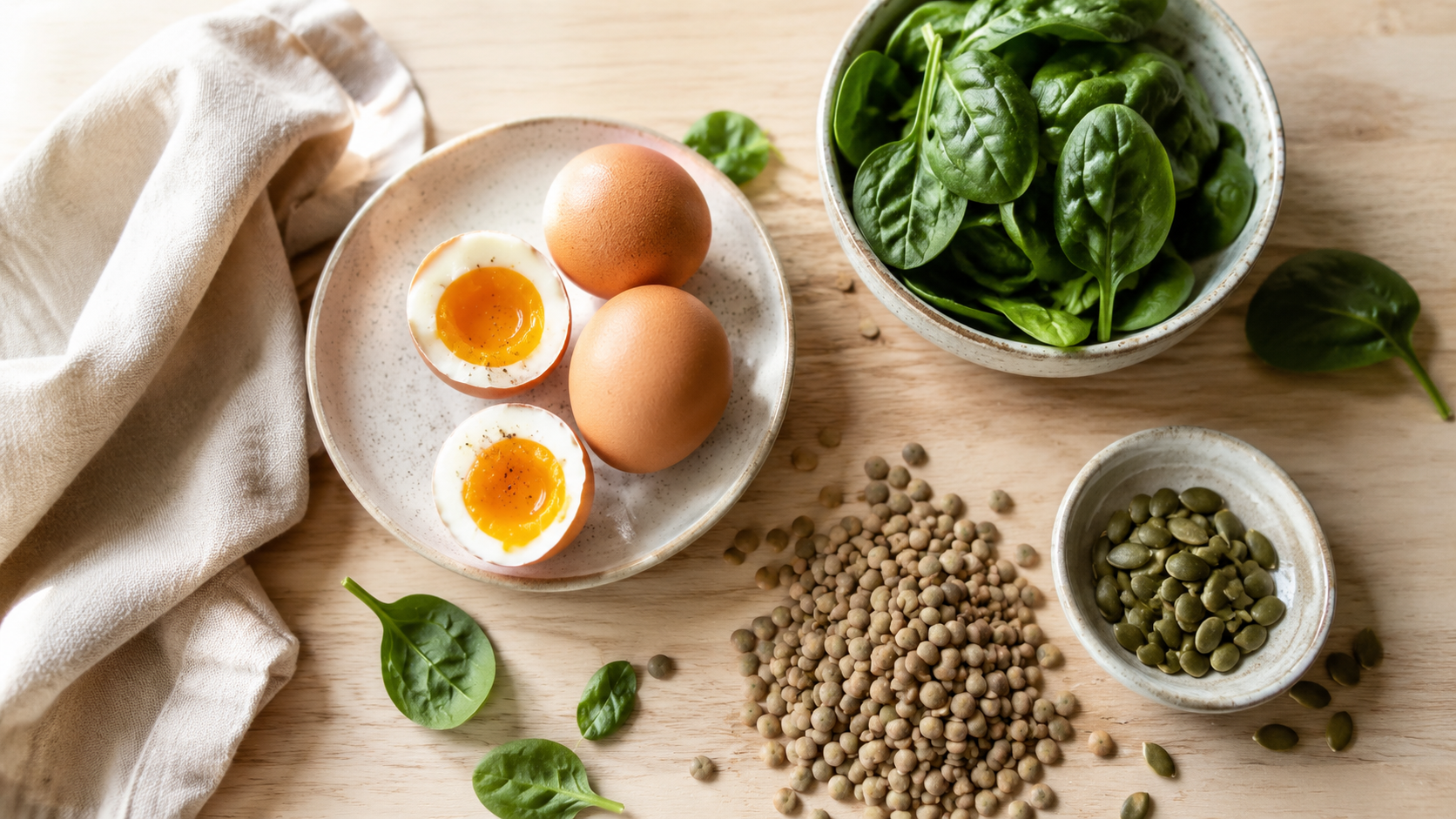
- Include iron and zinc rich foods like lean meats, beans, and leafy greens at every meal, 3 times per day.
- Address any underlying digestive or absorption issues with your care team
- Track your shedding over time to spot patterns
But most of all, just remember that it took some time for you to start losing hair... and growing your hair is a process, too. Be patient, hair regrowth typically takes several months.
And as always, talk to your dietitian about how much is right for you for each and all of these food groups. Vitamins like "Hair, Skin, and Nails" are not enough. You need real food.
When to Call Your Provider
If hair loss is sudden, severe, patchy, or paired with unintended weight loss or fatigue, it’s worth having your care team check your iron, zinc, and protein status along with other potential causes. They can help you tell the difference between a nutrition-related issue and something like a thyroid condition or hormonal change that needs different treatment.
Takeaways
Excessive hair loss and malnutrition can be connected, so ongoing shedding is worth exploring with your care team rather than dismissing. Getting enough protein, iron, and zinc can support regrowth once the underlying cause is addressed, and tracking your symptoms over time can help you and your provider spot patterns. If you’re focused on rebuilding weight, small and consistent changes can add calories and nutrients back without overwhelming your routine, especially when you lean on nutrient-dense foods that support hair and overall health. And the everyday habits dietitians swear by can make a real difference as your body recovers.