If you're 50 or older, you've probably been offered the shingles vaccine at some point. Maybe you got it. Maybe you've been putting it off. Either way, there's a new reason to pay attention — and it has nothing to do with the rash.
Scientists now have some of their strongest evidence yet that getting vaccinated against shingles may also lower your risk of dementia. Not by a small margin, either. We're talking about a 20% reduction. Here's what the research shows, why it makes sense, and what it means for you right now.
What Is Shingles — and Why Does It Matter for the Brain?
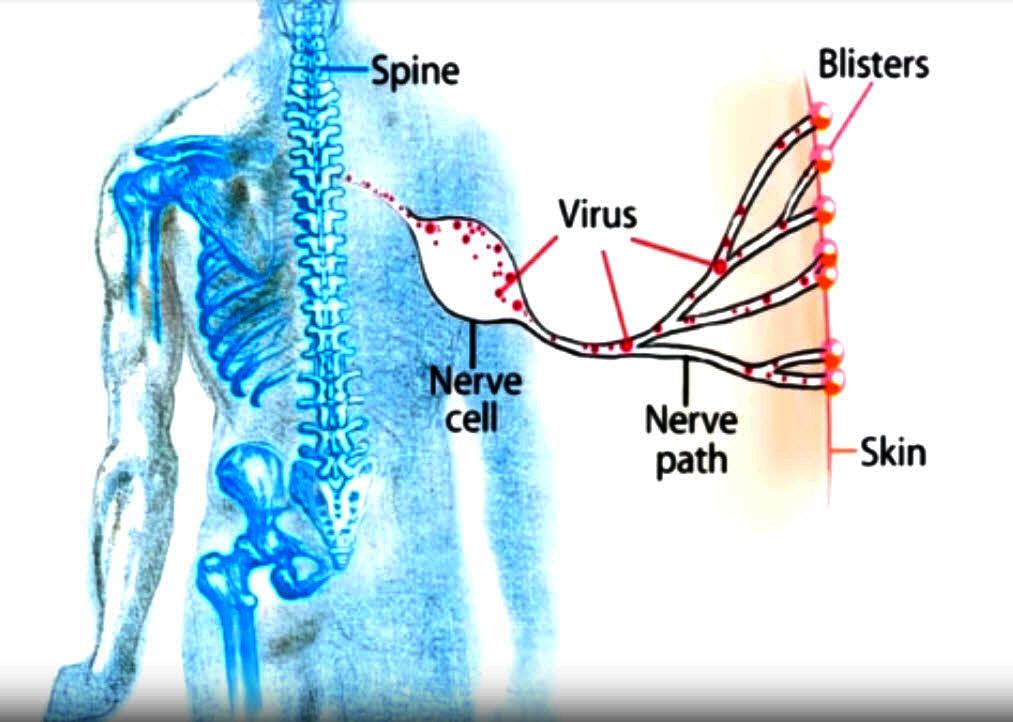
Shingles is a painful, blistering rash caused by the varicella-zoster virus — the same virus that causes chickenpox. Once you've had chickenpox, that virus never fully leaves. It hides in your nerve tissue and can wake up years later, usually when your immune system is weakened by age, stress, or illness.
About 1 in 3 adults in the U.S. will develop shingles at some point in their lives. And while the rash itself is temporary, the effects on the nervous system can linger — sometimes for months or years.
What researchers have started to notice is that people who get shingles are more likely to develop dementia later in life. The virus doesn't just affect your skin. It travels along nerves, can reach the brain, and may trigger inflammation that damages brain tissue over time. That connection is what led scientists to ask: if we prevent shingles, can we also protect the brain?
What Did the Research Find?
In 2013, Wales rolled out the shingles vaccine with a specific rule: adults born on or after September 2, 1933 were eligible. Those born before that date were not — regardless of their health status.
Researchers used that cutoff as a natural experiment. They followed nearly 300,000 people — half just barely old enough to qualify, half just barely too old — for seven years. The two groups were nearly identical in age and health. The only real difference was who got the vaccine.
The results? People who got the shingles vaccine were:
- 3.5% less likely to develop dementia over seven years
- That's a 20% relative risk reduction
- Women had stronger protection than men
This study was published in the journal Nature in 2025. Natural experiments like this are considered especially reliable because they eliminate many of the biases that can skew regular studies.
A separate study of more than 200,000 older adults compared people who got the newer Shingrix vaccine versus those who got the older version. The Shingrix group lived dementia-free for an average of 164 extra days. That's nearly six months of additional healthy time.
Why Would a Shingles Shot Protect Your Brain?
It's a fair question. The vaccine was designed to stop a rash — not protect your memory. So what's going on?
The virus itself may be doing quiet damage. Even when shingles doesn't fully reactivate, the virus can stir up low-level inflammation in nerve tissue. Over decades, that chronic irritation may contribute to the brain changes that lead to dementia. By preventing reactivation, the vaccine may interrupt that process.
Less shingles may also mean fewer strokes. Shingles is linked to an increased risk of stroke in the months after an outbreak, and strokes can directly cause or speed up dementia. A vaccine that reduces shingles would naturally reduce that downstream risk too.
Vaccination may also shift how the immune system behaves more broadly — making it better at protecting the nervous system even beyond fighting off shingles directly.
The fact that women showed stronger brain protection than men is still being studied. Women may respond to the vaccine differently, or dementia may develop through slightly different pathways in women.
What This Means for You
The Shingrix vaccine is recommended for EVERYONE 50 and older — and for adults 19 and up who have a weakened immune system. It's given in two doses, about 2 to 6 months apart.
If you've already had shingles, you can still get vaccinated. The vaccine can help prevent it from happening again.
If you already got the older shingles vaccine, talk to your care team about whether switching to Shingrix makes sense for you. The newer version appears more effective — including for the potential brain benefits.
At your next visit, ask: Am I up to date on my shingles vaccine? It takes two minutes to check — and may be one of the simplest, most meaningful things you do for your brain health this year.
Takeaways
- Shingles is caused by the same virus as chickenpox. It can reactivate in adulthood and affect the nervous system.
- People who get shingles have a higher risk of developing dementia later. Vaccination may interrupt that process.
- A major 2025 study in Nature found shingles vaccination reduced dementia risk by 20% over seven years across nearly 300,000 people.
- A second study found people who got the newer Shingrix vaccine lived dementia-free for about 164 extra days compared to those who got the older version.
- The Shingrix vaccine is recommended for adults 50 and older — ask your care team if you're due.