If diarrhea has been sticking around for weeks rather than days, here’s something worth hearing: this isn’t just an inconvenience. Chronic diarrhea can pull nutrients out of your body faster than you can replace them, and once your immunity drops, it can make the diarrhea even harder to shake. It’s a cycle that sneaks up on people because it rarely looks dramatic day to day. It just wears you down.
What’s Actually Happening in Your Body
The specific nutrients you’re losing depend a lot on what’s driving the diarrhea, which is exactly why a generic fix rarely works for everyone. If your stools are watery and frequent, you’re likely losing sodium and potassium with every trip to the bathroom. Oftentimes, symptoms like shakiness, tiredness, or lightheadedness that tends to follow. If this has been going on for a while, you may also be missing out on B vitamins, zinc, or fat-soluble vitamins simply because food is moving through too quickly to be absorbed. Mentioning which pattern fits you to your care team changes what will actually help.
When Foods Might Actually Be Causing it
Before assuming this is something serious, it’s worth checking a couple of everyday culprits I see catch people off guard all the time.
Too Much Fiber, Too Fast: If you’ve recently started eating more vegetables, beans, or whole grains, especially if you were trying to eat healthier, your gut may simply not be used to that much fiber yet. A sudden jump in fiber intake is one of the most common reasons for new-onset diarrhea, and it doesn’t mean anything is wrong. It just means your gut needs time to adjust.
- Backing off slightly and building back up gradually over a couple of weeks usually resolves it. The other one worth ruling out: sugar alcohols.
Sugar Alcohols: If you’ve been reaching for anything labeled “diet,” “low-carb,” “keto,” or “sugar-free”, think protein bars, protein shakes, diet cereals, sugar-free gum, or reduced-sugar ice cream, check the label for xylitol, sorbitol, maltitol, or erythritol. These sweeteners are poorly absorbed by the gut and can cause loose stools, gas, and cramping, especially once you’re eating more than a serving or two a day.
- Cut back on these products for a week to see if they’re the hidden cause. If neither of these fits your situation, or your symptoms don’t improve once you address them, that’s when it’s worth digging deeper, since chronic diarrhea unrelated to a diet change can be a more direct signal of malnutrition or an underlying condition.

When This Might Be More Than “Just” Diarrhea From Diet Changes
Pay attention to whether this comes with weight loss you didn’t try for, appetite that’s dropped off, or fatigue that doesn’t match how much you’re sleeping. None of these on their own means malnutrition. But together, they’re the kind of pattern that’s easy to write off individually and much harder to ignore once you see them side by side.
Finding What Works for You
There isn’t one fix here, because chronic diarrhea has different root causes for different people. A few starting points, and how to think about which ones fit your situation:
- If you’re losing a lot of fluid: reach for an oral rehydration solution or electrolyte drink rather than plain water. It replaces the sodium and potassium you’re actually losing.
- If eating itself seems to trigger symptoms: try smaller, more frequent meals instead of your usual three. Smaller portions ask less of a gut that’s already working overtime.
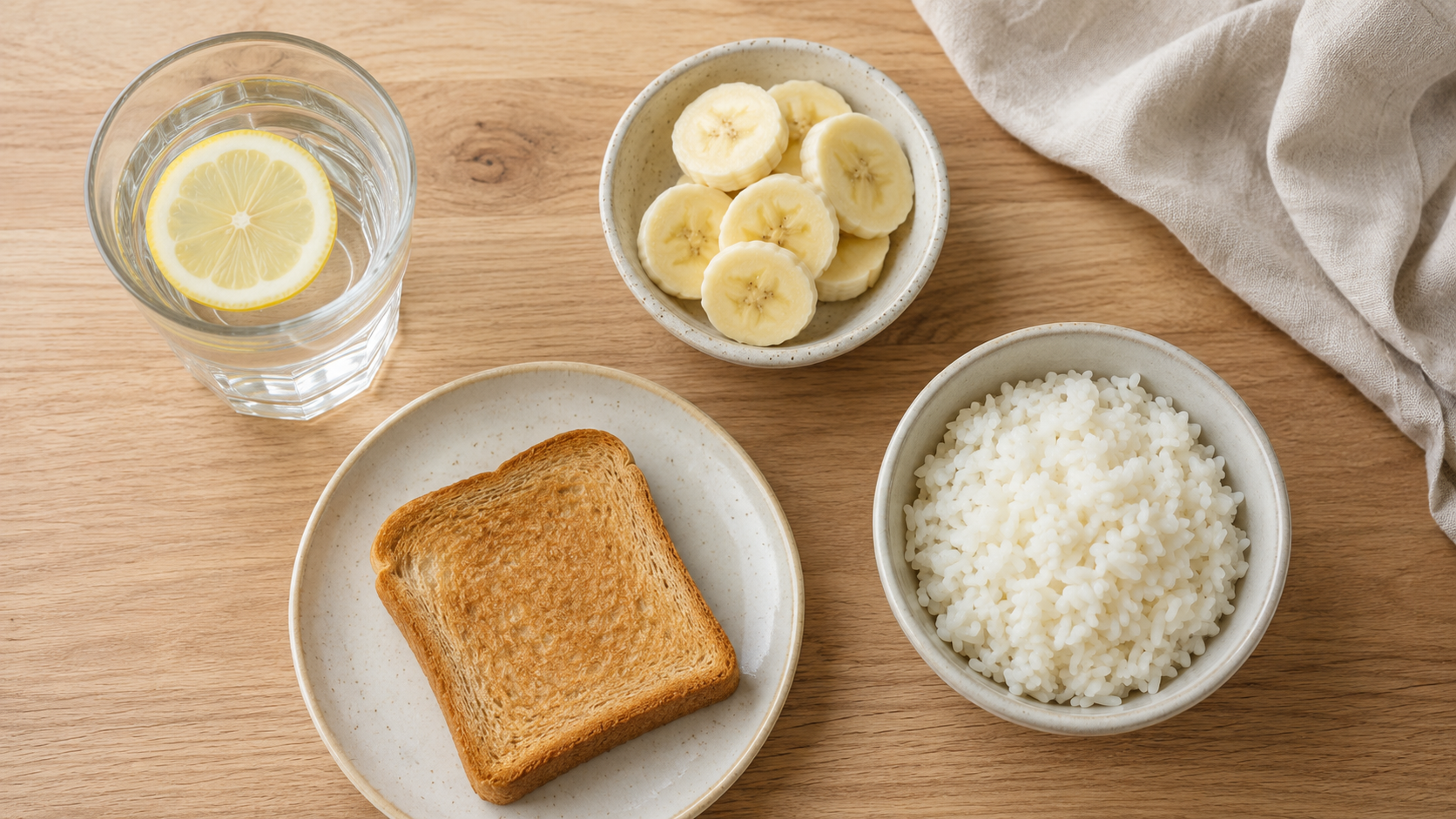
- If certain foods seem to make things worse: bananas, rice, applesauce, and toast tend to be the gentlest starting point while you sort out your triggers.
- If you’ve lost weight or muscle: once symptoms start to settle, gradually reintroduce protein and calorie-dense foods to rebuild what the diarrhea took. This is not the time to restrict.
Whatever you try, keep a simple log of frequency, what you ate beforehand, and any weight changes. That pattern is often the single most useful thing you can bring to your provider, more useful than just describing “it’s been bad.”
When It’s Time to Loop In Your Care Team
If this has lasted more than a few days, comes with unexplained weight loss, or you’re noticing signs of dehydration like dizziness, dark urine, or a racing heart, please don’t wait it out. Your provider can check for nutrient deficiencies, an underlying digestive issue, or a medication that might be contributing, and build a plan that’s actually based on what’s going on for you specifically.
Takeaways
Chronic diarrhea and malnutrition can reinforce each other, so this isn’t something to just wait out and hope resolves on its own. Start by replacing what you’re losing, adjusting how and what you eat based on what your gut is telling you, and tracking the pattern so you and your care team can find the actual cause faster. If you’re also working on rebuilding weight, Tips To Help You Gain Weight (And Not Lose It) walks through how to add calories back without overdoing it, and How to Gain Weight with a Nutrient-Dense Diet can help you choose foods that support both flavor and recovery. For nutrition habits that hold up even while your gut is healing, 10 Tips Dietitians Swear By is worth keeping close by.