Some ultra-processed foods are obvious-- Most of us know that soda, candy, chips, hot dogs, and packaged desserts are not foods to build our diets around. But the tricky part is that ultra-processed foods do not always look like junk food anymore.
Today, many of them look healthy. They sit in the protein aisle, the organic aisle, the breakfast aisle, the health food section, the gluten-free section, and the “better-for-you” snack section. They are all over in Whole foods and Trader Joes. They come in clean-looking packaging with words like high-protein, plant-based, all-natural, organic, keto, low sugar, made with real fruit, whole grain, or no artificial flavors.
Tons of buzz words. That's good marketing. That is what makes them so easy to miss. The front of the package may say “healthy.” But the ingredient list may tell a very different story.
The Health Halo Problem
A “health halo” happens when one positive-sounding claim makes a food seem healthier than it really is. For example, a snack may be made with chickpeas, but that does not mean it is the same as eating chickpeas.
- A cereal may contain whole grains, but that does not mean it is low in sugar or minimally processed.
- A protein bar may have 20 grams of protein, but that does not mean it is the same as eating eggs, Greek yogurt, beans, tofu, fish, or chicken.
- A food can be organic and still be ultra-processed.
- A food can be gluten-free and still be ultra-processed.
- A food can be plant-based and still be ultra-processed
- A food can be high-protein and still be ultra-processed
The problem is not that these foods are always “bad.” The problem is that many of them are marketed as everyday health foods when they are really packaged products made from refined ingredients, sweeteners, oils, flavorings, powders, and additives.

Why “Healthy-Sounding” Does Not Always Mean Healthy
Food companies know which words catch our attention.
Protein. Fiber. Organic. Real fruit. Natural. Plant-based. Low carb. No added sugar.
These claims may be true, but they do not tell the whole story.
- A product can be high in protein because it contains protein isolate.
- A product can be “made with real fruit” but still contain mostly fruit puree, juice concentrate, sugar, or starch.
- A product can be low in sugar because it uses artificial sweeteners or sugar alcohols.
- A product can be plant-based but still be made with refined oils, starches, flavorings, and stabilizers.
- A product can be organic but still be a cookie, candy, snack puff, or sweetened cereal.
The front of the package is marketing. The ingredient list is where the truth lives.
Sneaky Ultra-Processed Foods to Watch For
Not every food on this list is automatically off-limits. Some may be useful in a busy life. But these are the foods that often trick people into thinking they are much healthier than they really are.
1. Protein Bars
Protein bars can be convenient, but many are closer to candy bars with added protein.
They may contain protein isolates, syrups, sugar alcohols, oils, gums, artificial sweeteners, and flavorings. Some are very filling and helpful in a pinch, but they are not the same as whole-food protein sources.
Better everyday options include boiled eggs, Greek yogurt, cottage cheese, tuna, edamame, nuts, tofu, beans, or leftovers from a balanced meal.
2. Protein Cereals
Protein cereal sounds like a smart breakfast, but many are still highly processed.
They may be made with protein isolates, sweeteners, refined starches, and flavorings. Even if they are lower in sugar than traditional cereal, they can still be far from a simple bowl of oats.
A better question to ask is: “Is this cereal made mostly from whole grains, or is it a re-engineered product with added protein?”
3. Veggie Chips and Veggie Puffs
This is one of the biggest health halos.
Veggie chips, chickpea puffs, pea crisps, and lentil snacks may sound like vegetables or beans, but many are processed into crunchy snack foods with added oils, salt, starches, and flavor powders.
They may be a better choice than some traditional chips, but they usually do not replace vegetables, beans, or lentils.
A chickpea puff is not the same as chickpeas.
A veggie chip is not the same as vegetables.
4. Bottled Smoothies and Fruit Snacks
“Made with real fruit” sounds healthy, but it can be misleading.
Some bottled smoothies and fruit snacks contain fruit purees, juice concentrates, added sugars, or very little fiber. Without the fiber and chewing involved in whole fruit, they may not keep you full in the same way.
Whole fruit is usually the better choice.
If you like smoothies, try making one at home with whole fruit, plain yogurt, milk or unsweetened milk alternative, nut butter, chia seeds, or spinach.
5. Sweetened Yogurts
Yogurt can be a great food. But many flavored yogurts are closer to dessert than a balanced snack.
Some contain added sugars, syrups, thickeners, artificial sweeteners, or candy-like toppings.
A simple upgrade is plain Greek yogurt with fruit, cinnamon, nuts, or a small drizzle of honey.
6. Granola and Granola Bars
Granola sounds wholesome, but many versions are high in added sugar, oils, and calories.
Granola bars can also contain syrups, chocolate coatings, sweeteners, and flavorings. Some are fine as an occasional snack, but many are not as nourishing as their packaging suggests.
Look for shorter ingredient lists with oats, nuts, seeds, and minimal added sugar.
7. Plant-Based Meat Alternatives
Plant-based does not always mean minimally processed.
Some plant-based burgers, nuggets, sausages, and deli slices are made with protein isolates, oils, starches, flavorings, colors, and stabilizers to mimic the taste and texture of meat.
That does not mean they are never useful. But if your goal is to eat more whole plant foods, beans, lentils, tofu, tempeh, nuts, seeds, and vegetables are usually better foundations.
8. Low-Carb, Keto, or “Sugar-Free” Snacks
Low sugar does not automatically mean healthy.
Many low-carb or keto packaged snacks use sugar alcohols, artificial sweeteners, refined fibers, oils, and additives to recreate cookies, candies, bars, and desserts.
They may fit someone’s nutrition goals occasionally, but they are still often ultra-processed.
A cookie is still a cookie, even if it is keto.
9. Frozen “Diet” Meals
Frozen meals can be convenient, and some are better than others. But many frozen diet meals are low in calories because the portions are small, not because they are especially nourishing.
They may also contain a lot of sodium, sauces, stabilizers, preservatives, and refined starches.
If you use frozen meals, look for options with recognizable ingredients, enough protein, vegetables, fiber, and a reasonable amount of sodium.
You can also make them more balanced by adding a side salad, frozen vegetables, beans, or fruit.
10. “Natural” Packaged Desserts
Organic cookies, gluten-free brownies, vegan candy, and “naturally sweetened” treats can still be ultra-processed.
They may use cane sugar instead of corn syrup, or coconut oil instead of another fat, but they are still desserts. The healthier-sounding version is not automatically an everyday food.
This does not mean you can never enjoy them. It just means they should be treated like treats, not health foods.
The Ingredient List Test
To spot sneaky ultra-processed foods, ignore the front of the package at first.
Turn it over.
Look at the ingredient list.
Ask yourself:
- Is the first ingredient a recognizable whole food?
- Are there only a few ingredients?
- Would I cook with these ingredients at home?
- Are there multiple types of added sugar?
- Are there protein isolates, refined starches, gums, emulsifiers, or artificial sweeteners?
- Is this food trying to imitate something healthier than it really is?
- Does it seem designed to be eaten quickly, often, and in large amounts?
You do not need to panic over one unfamiliar ingredient. But if the list is long and full of ingredients you would not use in your kitchen, that is a clue.
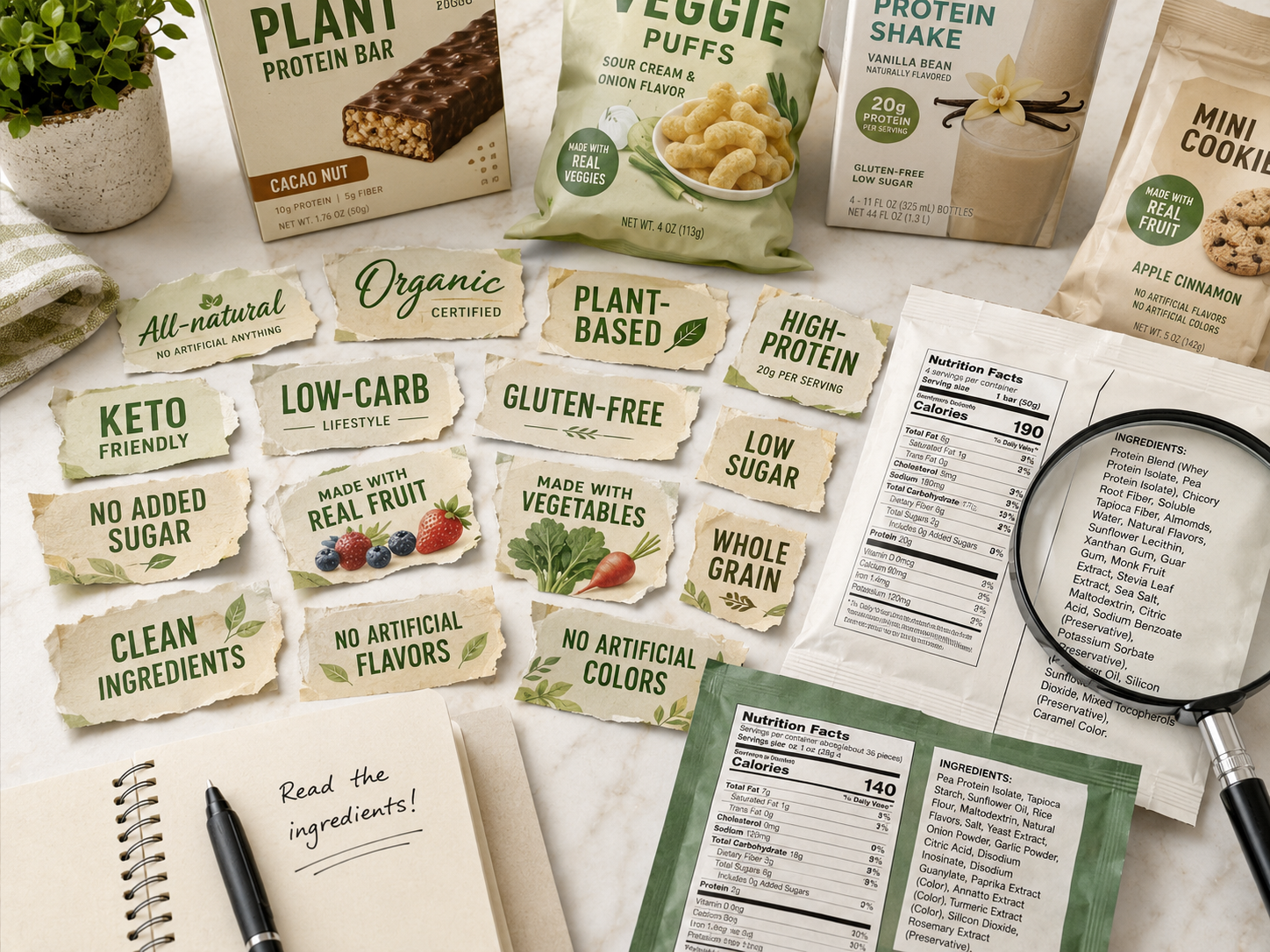
Watch for These “Healthy” Marketing Words
These words are not bad, but they can distract you from the full picture:
- All-natural
- Organic
- Plant-based
- High-protein
- Keto
- Low-carb
- Gluten-free
- Low sugar
- No added sugar
- Made with real fruit
- Made with vegetables
- Whole grain
- Clean ingredients
- No artificial flavors
- No artificial colors
These claims may be true, but they do not automatically mean the food is minimally processed or nourishing.
The most important question is still: “What is this actually made of?”
Better Swaps That Still Feel Realistic
Instead of trying to remove every packaged food, start with simple swaps.
Try:
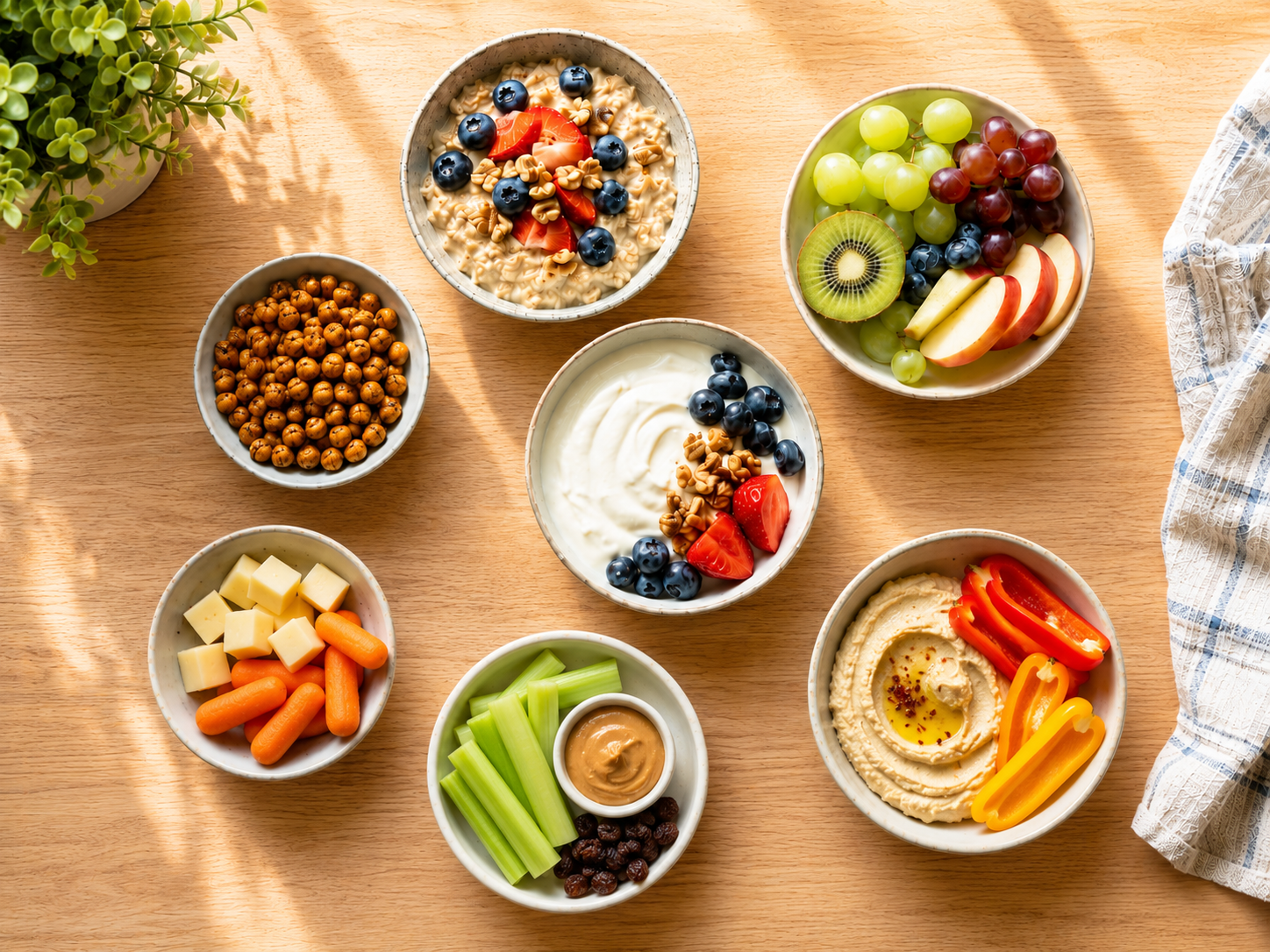
- Quick cooking oats with nuts and berries instead of sweetened cereal
- Plain Greek yogurt with fruit instead of flavored yogurt
- Eggs, cottage cheese, beans, tofu, or chicken instead of relying on protein bars
- Roasted chickpeas or nuts instead of veggie puffs
- Whole fruit instead of fruit snacks
- Homemade smoothies instead of bottled smoothies
- Air-popped popcorn instead of heavily flavored chips
- Hummus with vegetables instead of snack packs
- Try some of our whole food ingredient one-pot meals or quick meals instead of boxed meals
- Simple leftovers instead of frozen diet meals
The goal is not perfection. The goal is to make whole foods the default more often.
A Good Rule of Thumb
If a food needs a long explanation on the front of the package to convince you it is healthy, take a closer look. Real foods usually do not need much marketing.
- Apples do not need a protein claim.
- Beans do not need a “plant-based” label.
- Oats do not need to be called “clean.”
- Eggs do not need a long ingredient list.
The more the labels try to point out how healthy they are, the more you should question that packaging. The less your food needs a marketing team, the better.
Bottom Line
Ultra-processed foods are not only hiding in the candy aisle. They are hiding in the health-food aisle, the protein aisle, the organic aisle, and the breakfast aisle.
That does not mean you have to avoid every packaged food. Convenience matters. Budget matters. Real life matters.
But it does mean we should be careful about foods that look healthy because of clever packaging.
Before you trust the front of the package, turn it over. Read the ingredients. Look for foods that are closer to their original form. And remember: the healthiest foods are often the ones that do not have to work so hard to prove it.