If you’ve started a GLP-1 medication and thrown up more than once, you’re not imagining it: vomiting is a recognized side effect, though it’s less common than nausea. Here’s why it happens, and the practical steps that can help you feel better while your body adjusts.
Why It Happens
GLP-1 medications slow down how quickly food leaves your stomach, so food and liquid can build up and trigger vomiting, especially if you eat too much, eat too fast, or eat trigger foods. The medication also acts on the area of the brainstem that controls nausea and vomiting, which is why some people feel sick even without overeating.
When to Expect It
Vomiting is most likely in the first few weeks after starting a GLP-1 medication or after a dose increase, often alongside nausea. For most people, it improves within a week or two. Vomiting that is severe, that happens repeatedly in a single day, or that does not improve as your body adjusts is worth flagging to your care team.
How to Manage It
- Eat smaller meals: large portions overwhelm a stomach that is already emptying slowly, so smaller, more frequent meals are easier to tolerate.
- Slow down: eating quickly gives your stomach less time to signal that it’s full, which can trigger vomiting.
- Stop at the first sign of fullness: waiting until you feel overly full increases the chance of vomiting.
- Stay hydrated in small sips: sipping water or an electrolyte drink throughout the day helps prevent the dehydration that vomiting can cause.
- Avoid lying down right after eating: staying upright for 30 to 60 minutes after meals can reduce vomiting.
When to Call Your Provider
Occasional vomiting in the first few weeks is expected and usually manageable at home. Contact your care team if you cannot keep liquids down, if vomiting lasts more than 24 hours, or if you notice signs of dehydration like dizziness, dark urine, or a rapid heartbeat.
Helpful Products to Have on Hand
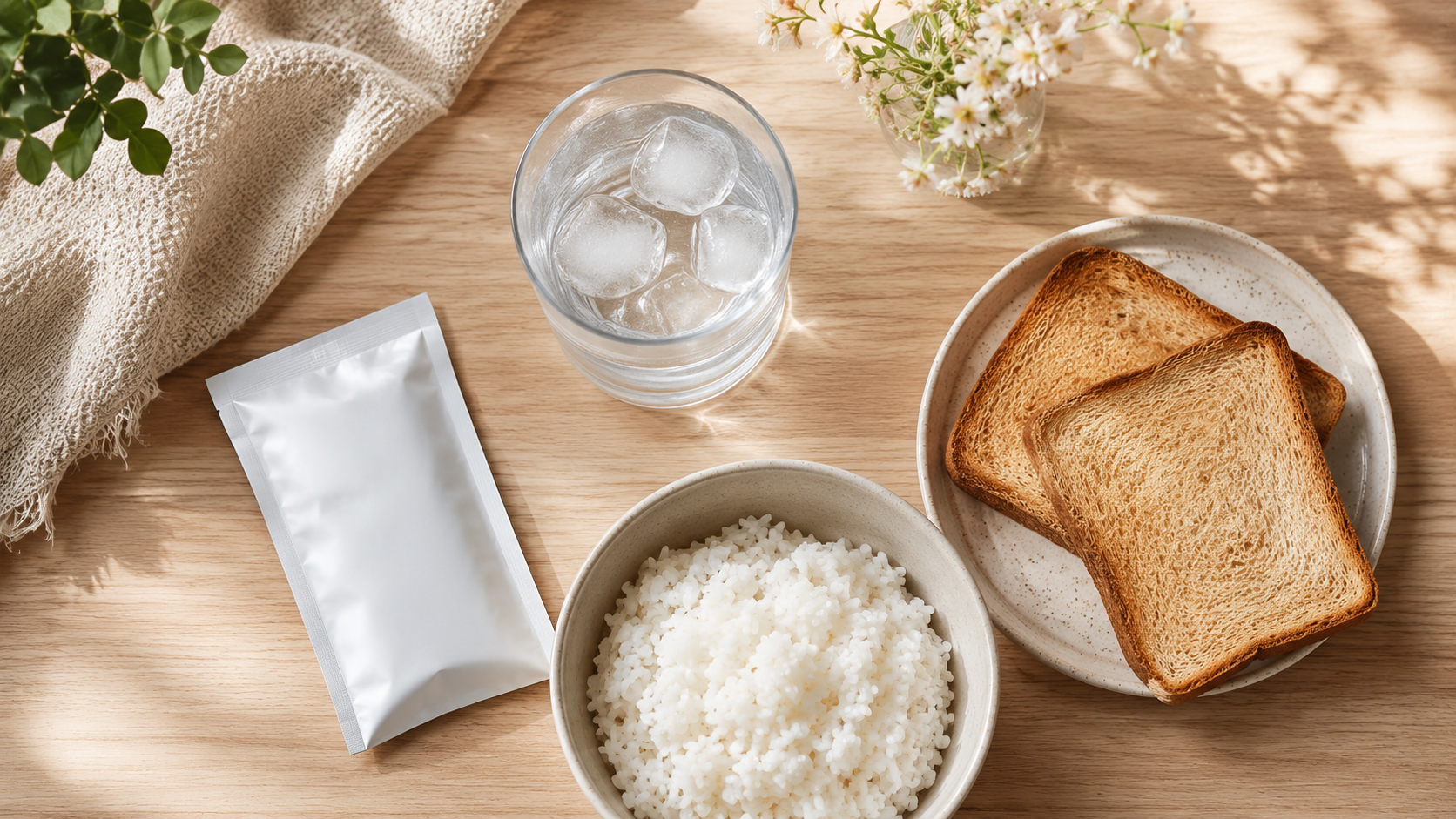
Keeping a few supplies nearby can make it easier to stay ahead of dehydration. An electrolyte drink or oral rehydration solution, such as Pedialyte or Liquid I.V., can help replace fluids and minerals lost from vomiting. Ice chips or a few sips of a clear, cold beverage are often easier to tolerate than a full glass of water. Once you are able to eat again, bland foods such as plain rice, bananas, or dry toast tend to be gentle on the stomach. As with any product suggestion, these are just examples, so feel free to use whatever similar option works for you.
Takeaways
Vomiting is a less common but recognized GLP-1 side effect, and it typically eases as your body adjusts to the medication. Eating smaller, slower meals and stopping before you feel overly full can make a real difference. As always, reach out to your Care Team if your symptoms do not improve. For a full rundown of other common side effects, see Managing GLP-1 Side Effects: 9 Common Issues and Solutions. GLP-1s can also affect how well you meet your nutrient needs, so GLP-1 and Nutrition: Breaking Down the Macro- and Micronutrients is worth a look too. And if you are curious what happens down the road, read What Actually Happens When You Stop GLP-1s.