Many people are surprised to learn that dietary supplements aren’t regulated by the FDA the same way medications are. This means companies don’t have to prove that their products are safe, effective, or accurately labeled before they hit the shelves.
That’s why it’s important to be a smart supplement shopper. Here’s how to choose products that are safe, effective, and trustworthy.

1. Look for Third-Party Testing
Since supplements aren’t pre-approved by the FDA, independent testing is one of the best signs of quality.
Look for certification seals from:
- USP (U.S. Pharmacopeia)
NSF International - ConsumerLab
- Informed Choice / Informed Sport
These seals mean the product was tested to confirm that it:
- Contains the ingredients listed on the label
- Is free from contaminants like heavy metals, mold, or pesticides
2. Check the Ingredient List
Choose supplements that:
- Have clear, simple labels
- Avoid artificial dyes, fillers, and proprietary blends (which hide ingredient amounts)
- Use bioavailable forms of nutrients (for example, magnesium glycinate instead of magnesium oxide, 5-methyltetrahydrofolate (5-MTHF) instead of folic acid)
3. Research the Brand
Before buying, take a few minutes to check if the company is transparent and reputable. You can:
1. Visit the brand’s official website to see where ingredients are sourced and how products are tested
2. Use unbiased third-party websites like:
- ConsumerLab tests and reviews supplements independently
- Labdoor.com ranks products based on purity and label accuracy
- The NSF lists certified supplements
Be cautious of brands that make “miracle” health claims or lack clear testing information.
4. Choose Clinically Trusted or Professional-Grade Brands
When possible, opt for brands known for strong quality control, such as:
- Thorne
- Pure Encapsulations
- Integrative Therapeutics
- Designs for Health
- NOW Foods
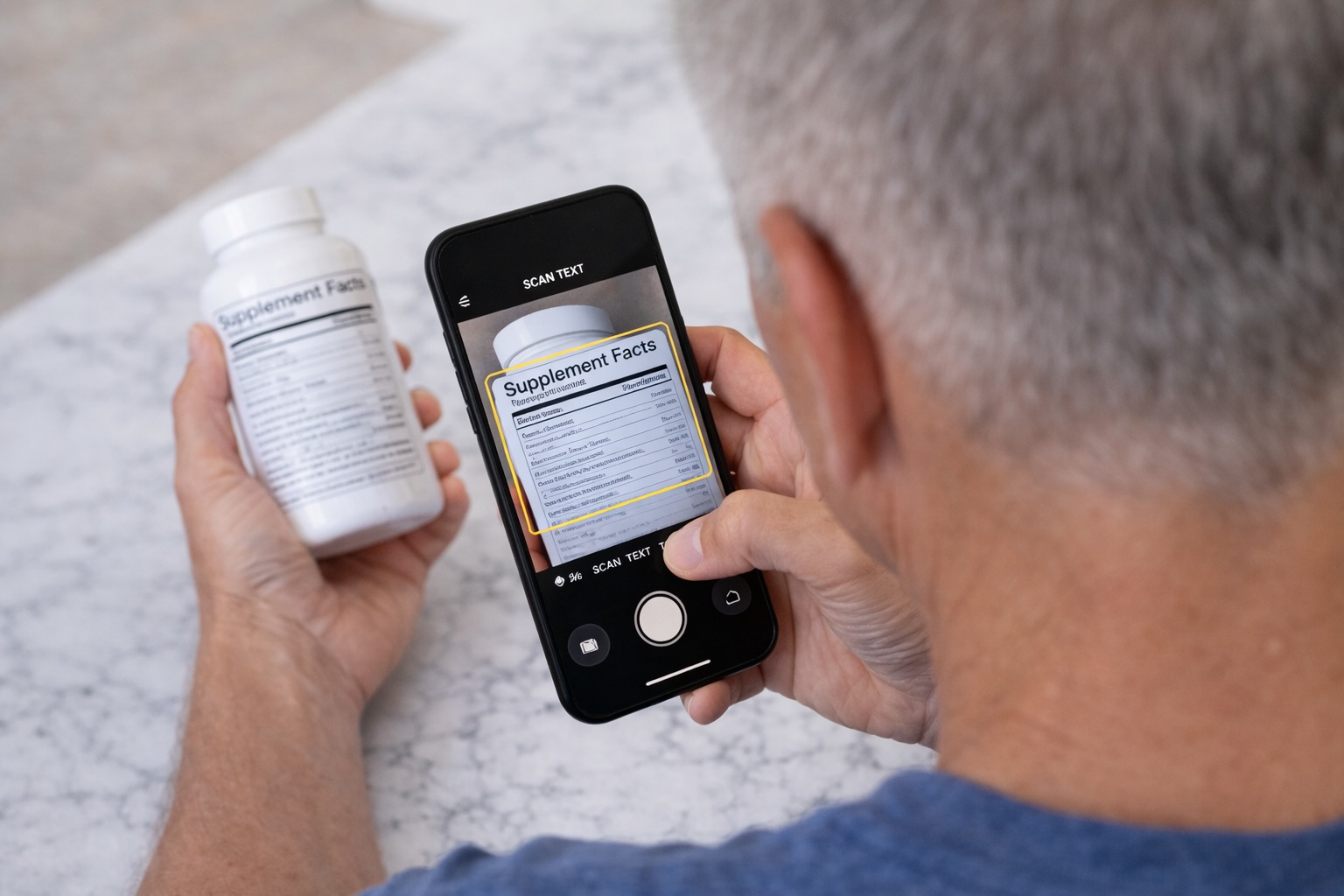
These companies routinely test for purity, potency, and consistency. There are also several apps that you can use to sdcan your supplements (and other products, too!) to check if they contain any chemicals that may not be totally safe or healthy for use.
- Clearya
- Fooducate
- Yuka
- EWG’s Healthy Living
These are not meant to provide general advice on diet or health, just a tool that give you insight into what you're actually getting when consuming a product. For example, product labeled as ‘healthy’ because its low cholesterol can at the same time be packed with specific additives that (research shows) have a bad impact on several other things. Apps are great tools to boost awareness and see beyond the marketing (especially around the so-called healthy products). Take the “overall rating” with a grain of salt, and look at this from a “big picture” perspective and factor it into everything you’re consuming that day. Don’t be too hard on yourself.
5. Remember — “Natural” Doesn’t Always Mean Safe
Even high-quality supplements can interact with medications or medical conditions.
Always check with your doctor, pharmacist, or functional medicine provider before starting anything new — especially if you take prescriptions or have chronic health issues.
Bottom Line
Since supplements aren’t tightly regulated, you are your own quality control.
Look for third-party testing, transparent labeling, and reputable brands, and confirm with trusted, unbiased sources before you buy.
That’s the best way to get the benefits of supplements — safely and effectively.