Starting insulin is a big step, and it’s completely natural to feel unsure about it. Many people worry about needles and possible side effects such as hypoglycemia. These feelings deserve to be acknowledged. Understanding what insulin does, why it’s recommended, and how to use it safely can turn fear into confidence. This guide walks you through the most common concerns and shows you practical ways to ease into insulin therapy with clarity and reassurance.
Fearing the Needle - Understanding Today’s Injection Tools
Modern insulin delivery tools look nothing like the large, intimidating syringes from the past. If you haven’t seen today’s insulin pens, you may be surprised by how small and simple they are.
Most people find that:
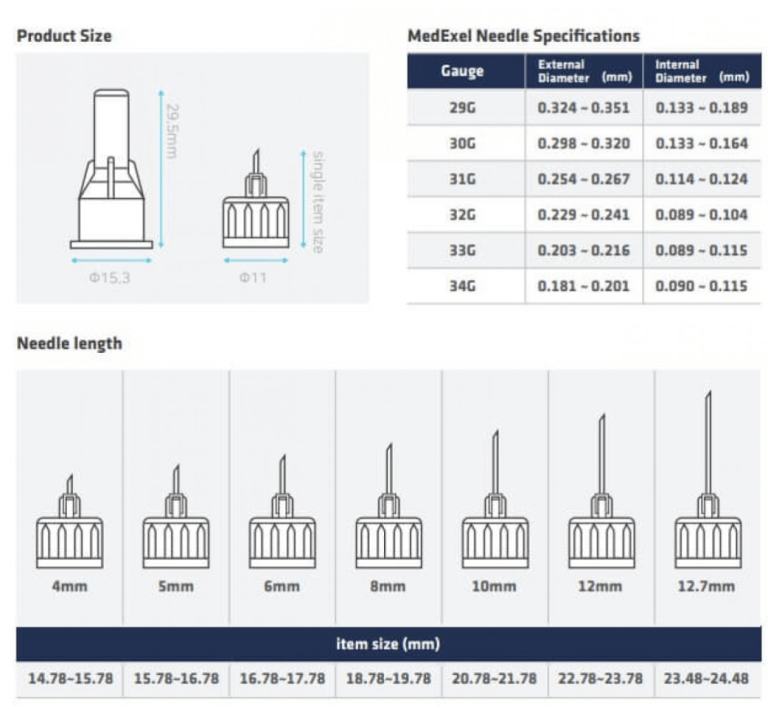
- The needle is extremely thin, often compared to a hair strand.
- The injection is quick, usually felt as gentle pressure rather than pain.
- Building comfort comes easily after a few tries.
For a step-by-step demonstration of how to inject safely and comfortably, explore this practical guide on how to inject insulin.
*Most insulin pen needles can be as small as 4 mm as described in the following chart.
Fear of Lows - Staying Safe with Insulin
Fear of hypoglycemia is one of the most common reasons people hesitate to start insulin. Fortunately, there are effective strategies that make lows both preventable and manageable.
Know your insulin
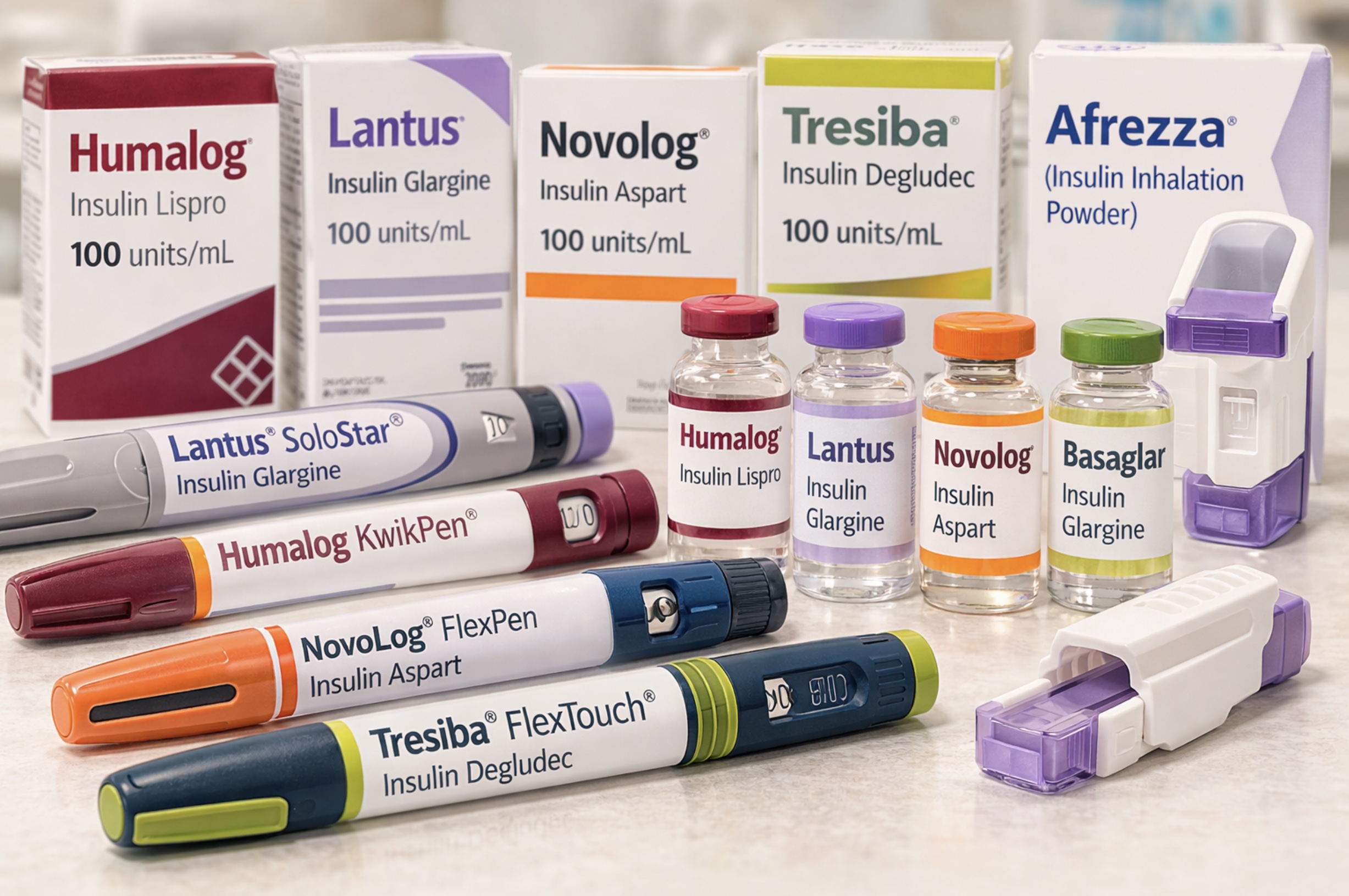
Different insulins act at different speeds. Learning the basics can help you predict how your body will respond. You can review these patterns in this helpful breakdown of insulin basics.
Build a simple safety routine
- Carry fast-acting carbs (juice box, glucose tabs, gummy candies).
- Test glucose or check your CGM regularly, especially with dose changes.
- Eat consistently if you’re using mealtime insulin.
- Learn the 15-15 rule for treating lows.
Most importantly: Hypoglycemia prevention starts with understanding your insulin’s action profile and matching it with meals, activity, and monitoring.
Fear of Side Effects - What You Should Really Expect
Insulin is a natural hormone your body already makes. Starting insulin simply gives your body the support it needs. The side effects people often imagine are not caused by insulin.
What might happen
- Mild weight change (often improves once glucose stabilizes)
- Occasional bruising at injection sites
- Temporary adjustment period as dosing is fine-tuned
What insulin does not cause
- Kidney damage
- Vision loss
- “Addiction” or dependency
- Accelerated diabetes progression
In fact, insulin protects your organs by lowering glucose more effectively when other medications are no longer enough.
Takeaways
Fear of starting insulin is normal, but understanding the process can make the transition feel far less intimidating. Today’s tools are easier, safer, and more comfortable than ever. If you're concerned about technique, explore this walkthrough on injecting insulin. To refresh your understanding of insulin types and action patterns, revisit insulin basics.
You might also benefit from exploring other diabetes-education articles or speaking with a diabetes educator to help build confidence in daily management. With the right knowledge and support, insulin can be a positive step toward feeling better and protecting long-term health.