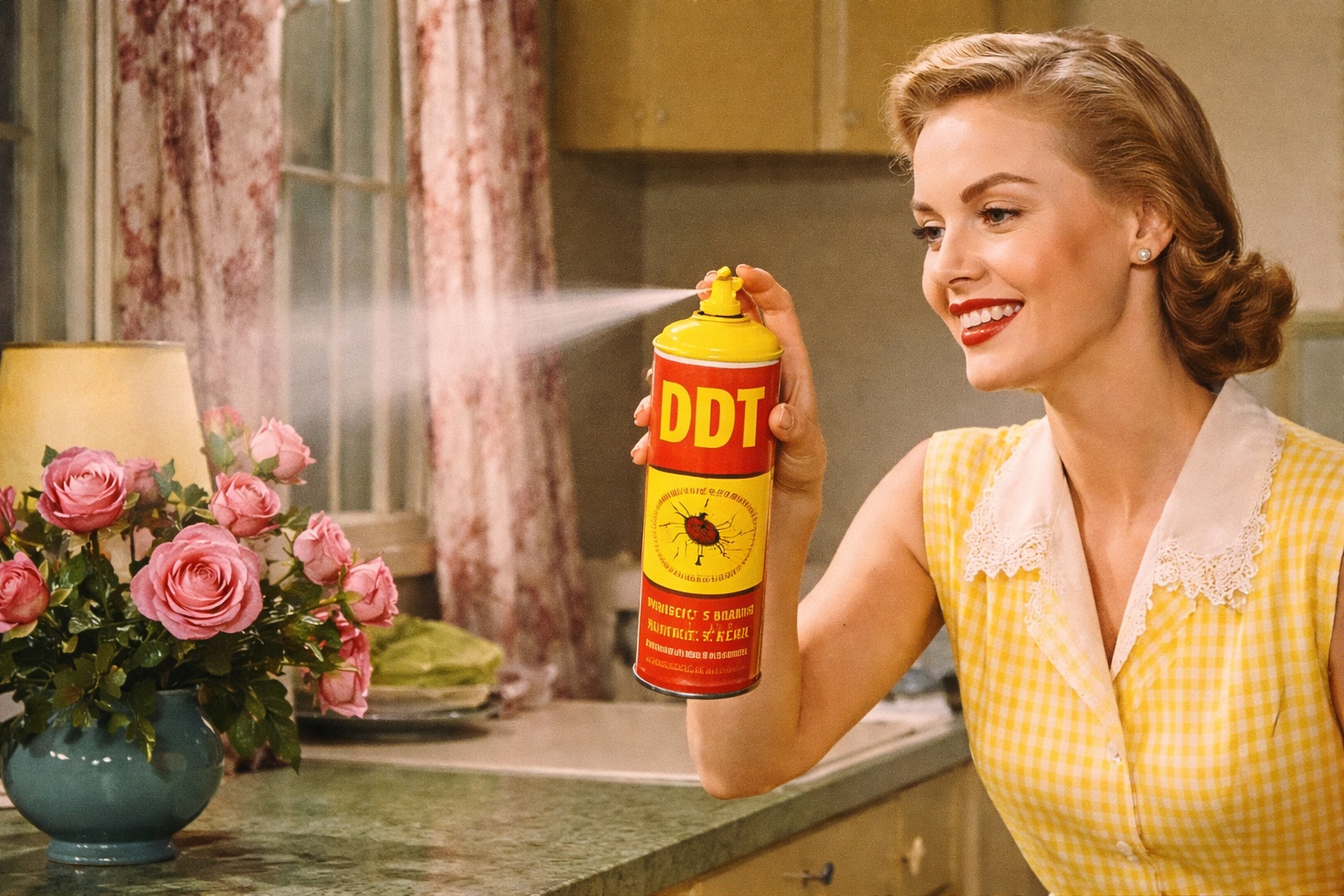
You’ve probably heard the term “forever chemicals.” It sounds dramatic — but the reason for the name is simple: these chemicals are built to resist heat, oil, grease, and water, and many of them do not break down easily in the environment or in the body. That means they can linger for years and build up over time. PFAS, the family of chemicals behind the nickname, have been used in consumer products and industry since the 1940s.
What are forever chemicals?
PFAS stands for per- and polyfluoroalkyl substances — a large group of man-made chemicals used to make products nonstick, waterproof, stain-resistant, and grease-resistant. They were added to all kinds of everyday items because they worked extremely well. The problem is that their durability became an environmental and health problem too.
ATSDR says nearly all people in the U.S. have PFAS in their blood, although blood levels of some older PFAS have dropped as production and use declined.
Where have you seen them in everyday life?
This is where the issue becomes real. PFAS were not just hiding in factories. They were woven into ordinary life — into products many people grew up trusting or using without a second thought.
Think about the things that used to feel “high-tech” or “convenient”:
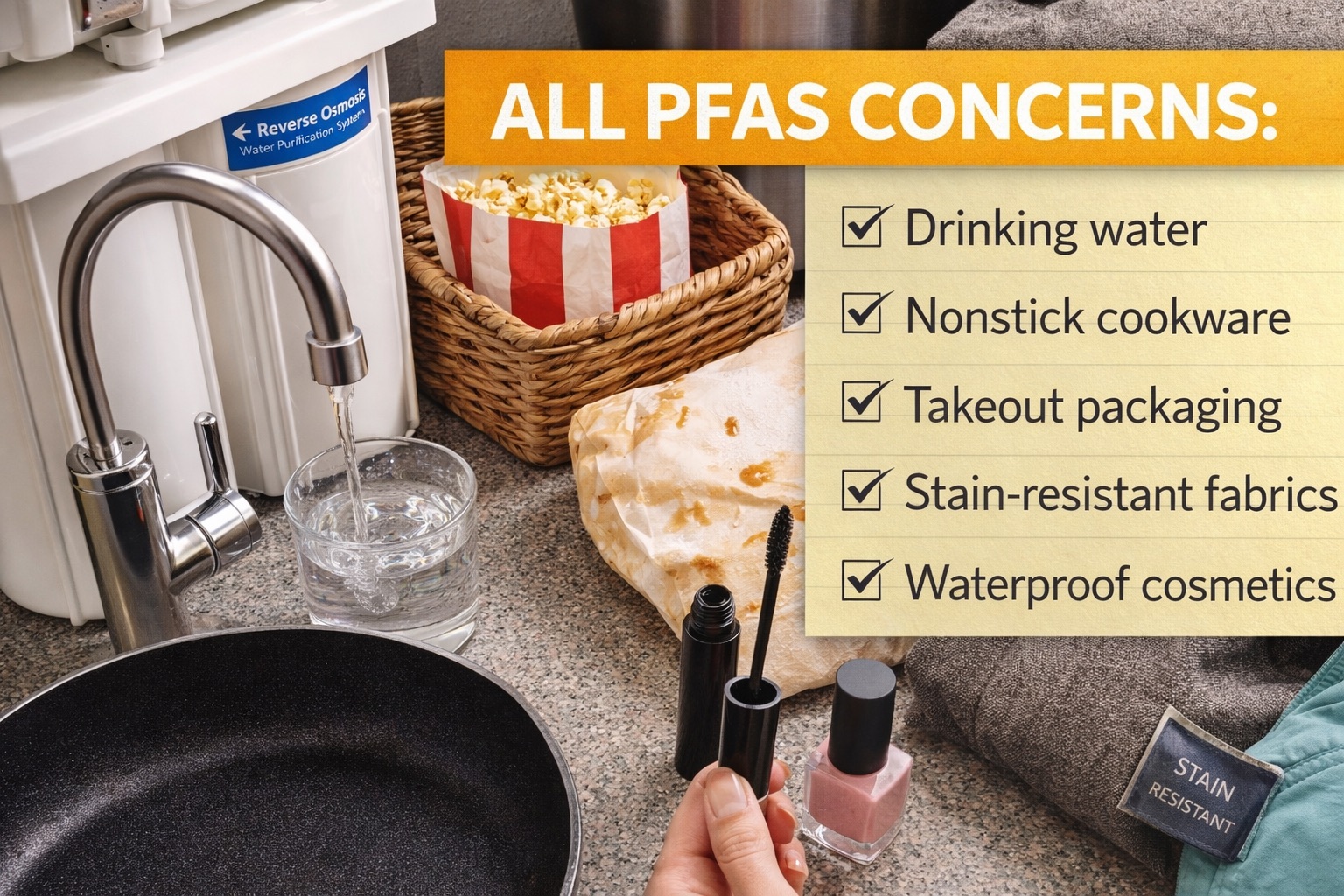
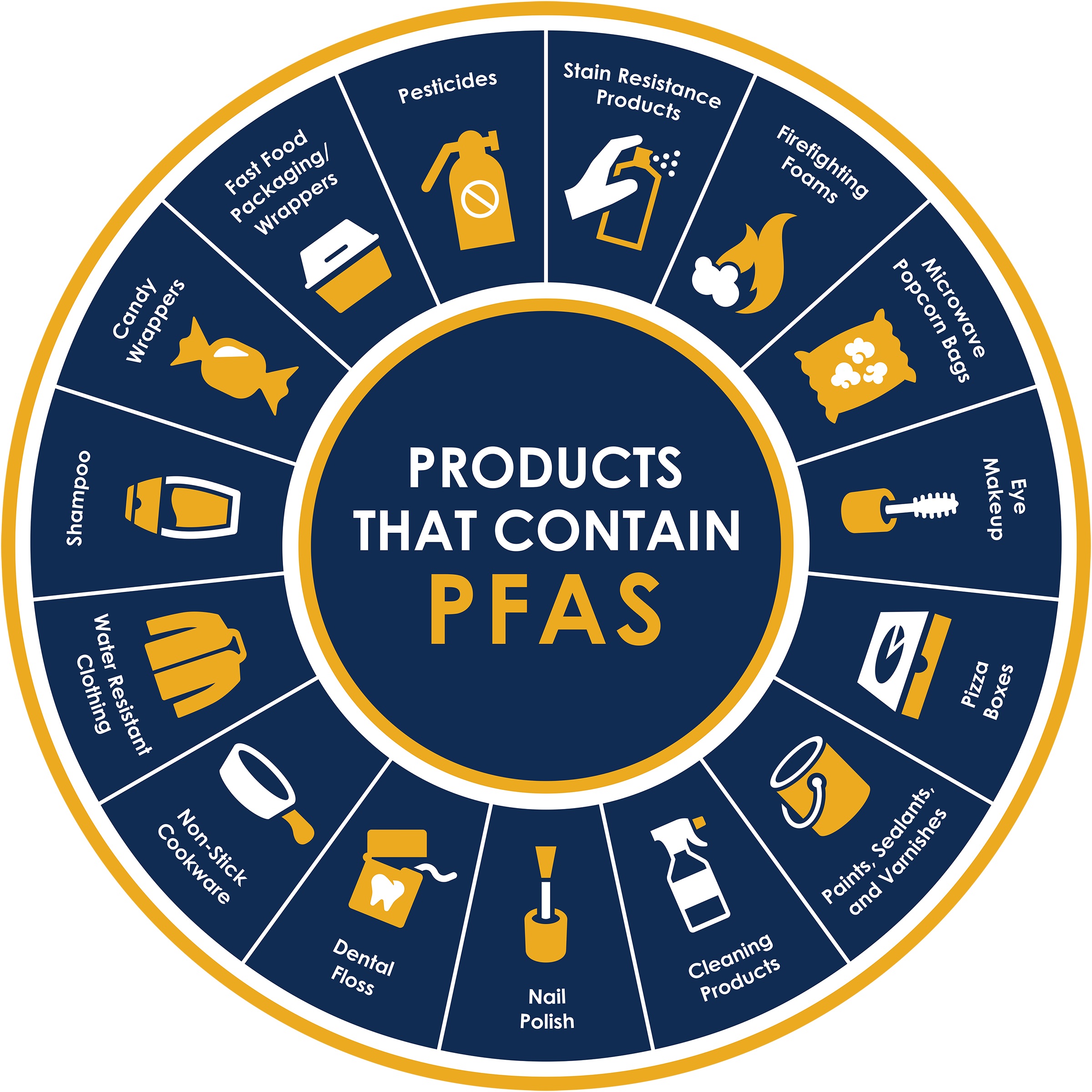
- Nonstick cookware, including Teflon-style pans
- Microwave popcorn bags and greasy fast-food wrappers
- Pizza boxes and some other grease-resistant food packaging
- Stain-resistant carpets, couches, and upholstery
- Water-resistant clothing, like rain jackets and ski gear
- Waterproof mascara, some cosmetics, nail products, and dental floss
- Cleaning products, paints, varnishes, and sealants
- Firefighting foams, especially those used for fuel fires
In other words, PFAS were part of the “better living through chemistry” era. If you remember your parents spraying stain guard on the couch, buying “easy-clean” carpets, relying on a trusty nonstick skillet, or packing microwave popcorn for movie night, you’ve already seen the legacy of PFAS.
The familiar products people remember
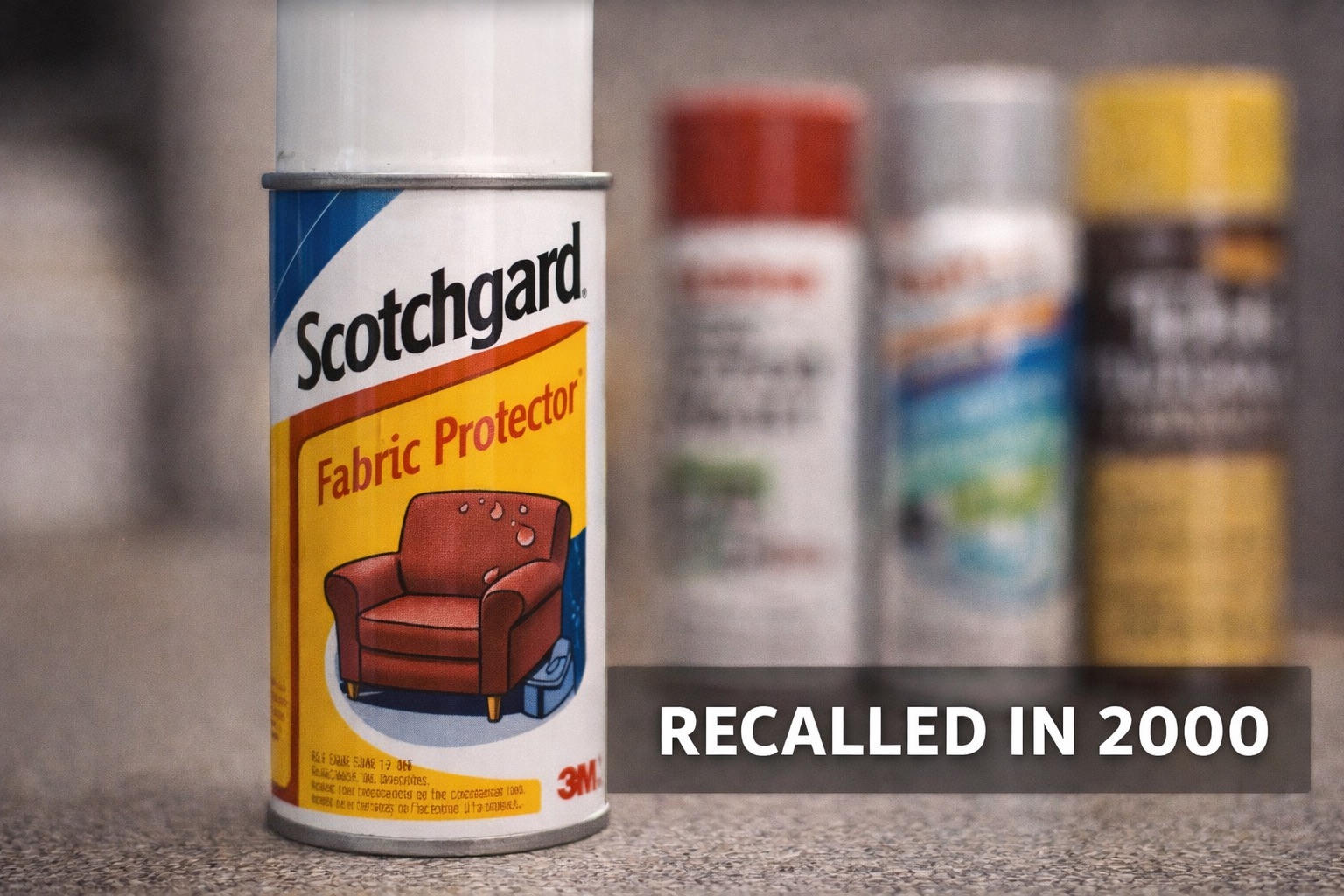
One of the most recognizable examples is Scotchgard. In 2000, after discussions with EPA, 3M announced a voluntary phaseout of PFOS chemistry used in products including some Scotchgard lines. EPA said the chemicals were highly persistent, built up in people and animals, and could pose long-term risks. EPA then issued follow-up rules in 2002 to limit reintroduction of certain PFOS chemicals without review.
That matters because it helps explain why so many people feel confused now. A product could have been sold for years as modern, clean, stain-proof, or family-friendly — and only later did the health and environmental concerns become widely understood.
When were they banned?
This is the part that needs careful wording: most PFAS were not banned all at once. What happened instead was a patchwork of phaseouts, withdrawals, and targeted restrictions.
Here’s the simpler timeline:
- 2000–2002: 3M voluntarily phased out PFOS, including chemistry used in some Scotchgard products, after concerns about persistence and buildup in living tissue. EPA backed that move and later required review before certain phased-out PFAS could return to the market.
- By 2015: Under EPA’s 2010/2015 PFOA Stewardship Program, major companies worked toward eliminating PFOA and related long-chain PFAS from emissions and products. EPA says manufacture and import of PFOA have been phased out in the U.S. as part of that program.
- 2020–2025: FDA and industry moved to phase out PFAS used as grease-proofing agents in paper and paperboard food packaging. FDA said in February 2024 that these substances were no longer being sold for food-contact use in the U.S., and in January 2025 FDA said 35 related food-contact authorizations were no longer effective.
So the better takeaway is not “PFAS were banned.” It is: older, better-known PFAS were gradually phased out or restricted, but PFAS as a class are broader than that — and replacement chemicals are still a major concern. ATSDR notes that as older PFAS like PFOS and PFOA declined, people may be exposed to other PFAS used as replacements.
Why do health experts care?
PFAS are still being studied, but the concern is not theoretical. IARC, the cancer agency of the WHO, classified PFOA as carcinogenic to humans and PFOS as possibly carcinogenic to humans after reviewing the literature. IARC also notes that these chemicals have been found in products such as food packaging, carpets, cosmetics, cookware, waterproof clothing, and firefighting foams, as well as drinking water supplies.
Takeaways
PFAS are scary not because they are mysterious, but because they were so ordinary. They showed up in the skillet, the sofa, the raincoat, the mascara, the popcorn bag, and the takeout wrapper. Some of the worst-known PFAS have been phased out over the past two decades, but not all PFAS are gone, and not all replacements are fully understood.
That is the real lesson: this is not just a story about chemicals in a lab. It is a story about everyday products people trusted for years — and why more people are now asking harder questions about what convenience really costs.