Understanding Cold Plunges
Stepping into a tub of icy water for the first time can be an intimidating experience. The initial urge is often to step right back out. Yet cold plunges continue to attract interest among athletes, fitness enthusiasts, and people looking for new ways to support their health and recovery.
As curiosity about cold water immersion continues to grow, it can be difficult to separate popular claims from what research currently supports. While studies suggest cold plunges may offer benefits in certain situations, the evidence continues to evolve (Xiao et al., 2023).
Separating facts from popular claims can help you make more informed decisions about cold-water immersion.
What the Research Suggests
Much of the current research focuses on how cold-water immersion may support recovery after exercise. Some studies suggest it may help reduce muscle soreness and improve recovery following intense physical activity. Researchers are also exploring its potential effects on mood, stress, and overall well-being, although findings remain mixed.
Current evidence suggests that the potential benefits of cold plunges may depend on factors such as water temperature, the length of exposure, and an individual’s overall health (Xiao et al., 2023).
While early findings are encouraging in some areas, more research is needed to better understand how cold water immersion may affect different people over time.
When Cold Plunges May Not Be a Good Fit
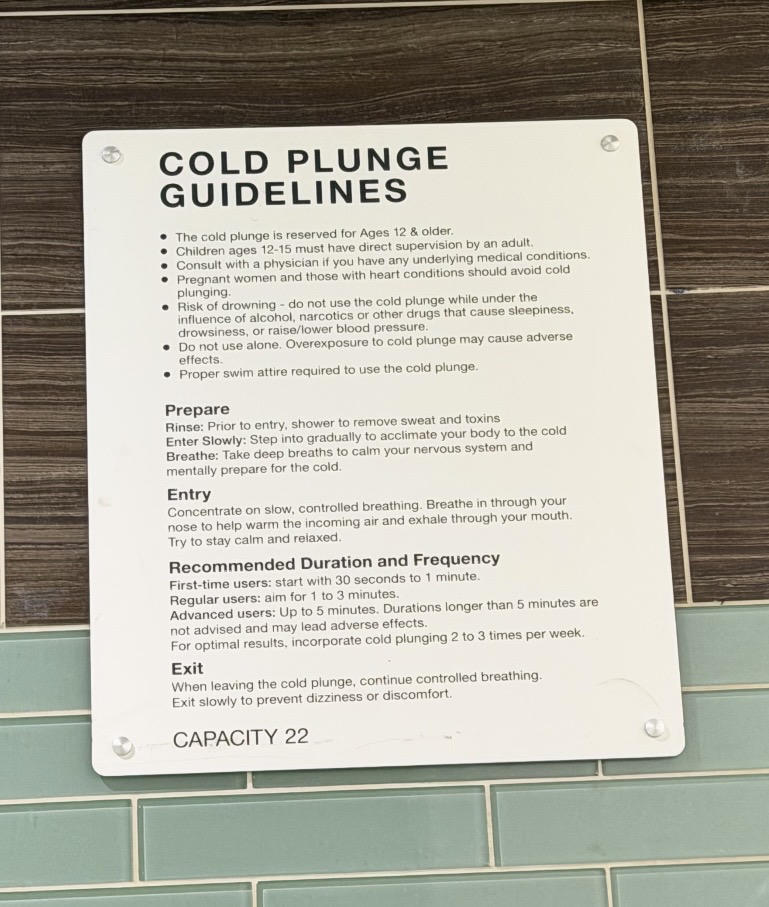
Cold plunges are not the right choice for everyone. Sudden exposure to very cold water can place added stress on the body, particularly the heart and blood vessels. If you have a heart condition, uncontrolled high blood pressure, or another underlying health condition, talk with your healthcare provider before trying a cold plunge (Mayo Clinic Health System, 2024).
Water that is too cold or staying in too long may increase the chance of dizziness or loss of coordination. Taking individual health and personal circumstances into account is one of the most important steps before trying a cold plunge.
How to Try Cold Plunging Safely
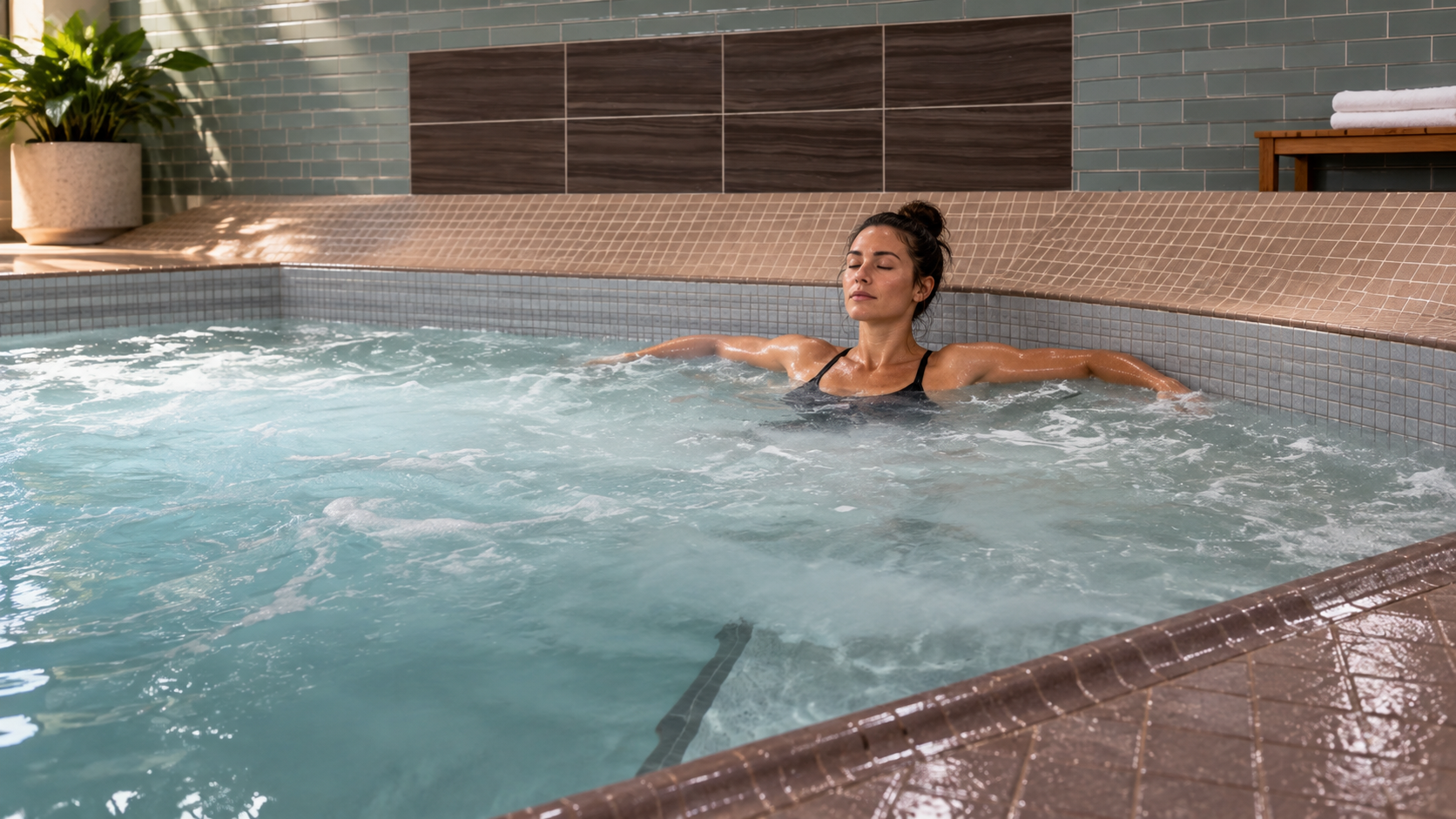
If you’re interested in trying a cold plunge, start with a short session and pay attention to how your body responds. Stop immediately if you feel dizzy, lightheaded, or unwell.
Choose a safe environment, avoid staying in the water longer then you can comfortably tolerate, and consider having someone nearby. Starting gradually and listening to your body can help you find an approach that fits your goals and comfort levels.
The Bottom Line
Cold plunges continue to attract attention as more people explore new approaches to health and recovery. Although some research suggests cold plunges may offer benefits, scientists are still learning who may benefit most and how they fit into long-term health.
Understanding both the potential benefits and the limitations can help you an informed choice that supports your individual health needs.