You woke up fine. Nothing terrible happened. But by late morning, the world feels gray. You're not sad exactly — just flat. Unmotivated. Going through the motions. You chalk it up to a bad day, grab something quick for lunch, and push through.
But what if that "blah" feeling isn't just a bad day? What if it's your brain quietly telling you it's missing something it needs?
The connection between food and mood is more direct than most people realize. Your brain produces chemicals — like serotonin and dopamine — that regulate how happy, motivated, and emotionally balanced you feel. And it builds those chemicals from the nutrients in your food.
Your Mood Has a Menu
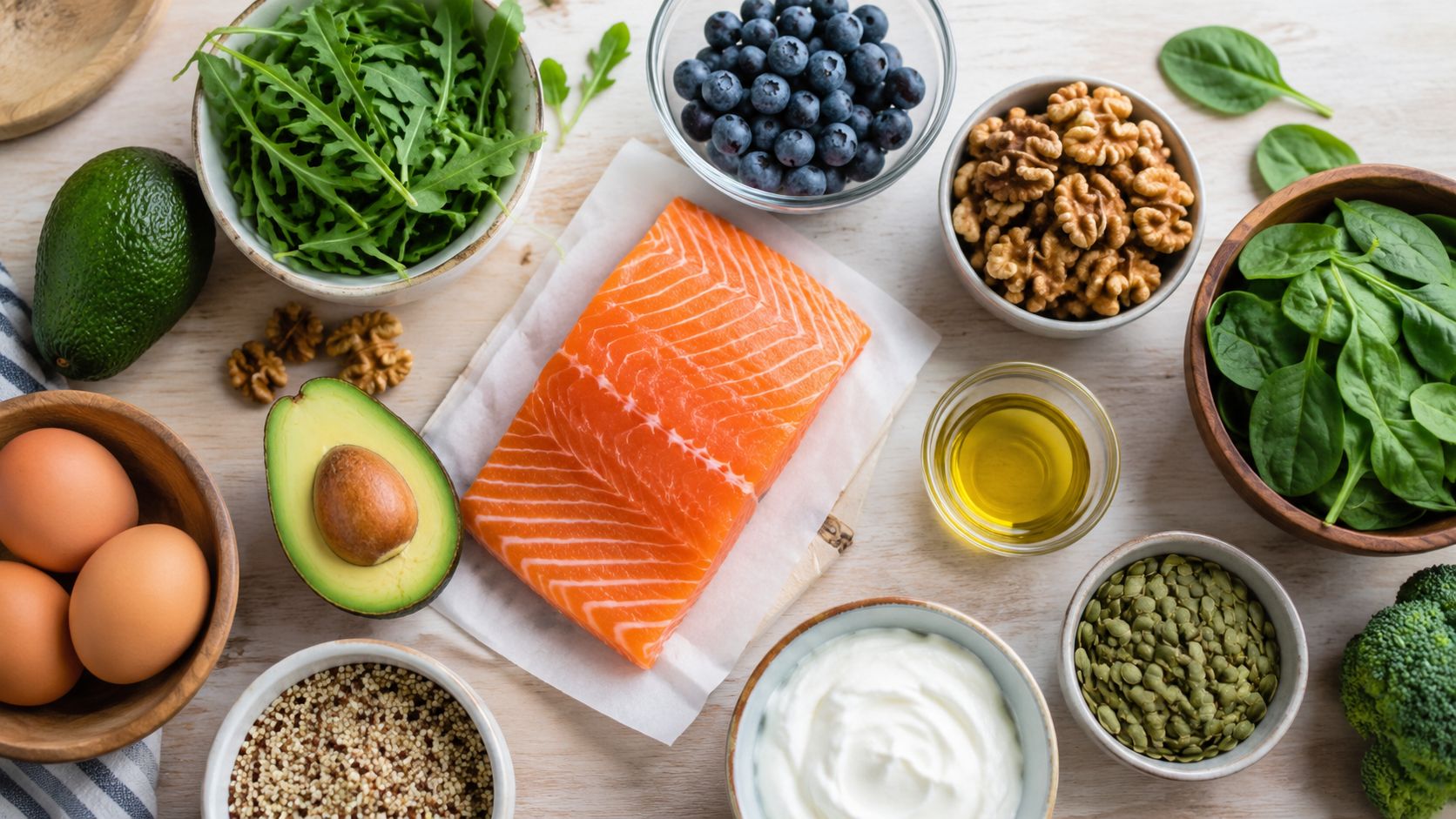
- Fatty fish like salmon, sardines, and mackerel are some of the most powerful mood-supporting foods available. The omega-3 fatty acids they contain — particularly EPA — have been linked in studies to reduced symptoms of depression and better emotional regulation. Think of omega-3s as the oil that keeps your brain's emotional gears running smoothly.
- Dark chocolate (70% cacao or higher) triggers the release of endorphins and contains compounds that boost serotonin activity. There's a reason reaching for chocolate feels comforting — your brain is responding to real chemistry, not just taste.
- Fermented foods like yogurt, kimchi, sauerkraut, and kefir feed the beneficial bacteria in your gut — and your gut produces roughly 90% of your body's serotonin. A happier gut often means a happier brain. It's like tending a garden: nourish the soil, and better things grow.
- Bananas deliver a combination of vitamin B6, natural sugars, and fiber. B6 is essential for producing both serotonin and dopamine, making bananas a quick, accessible mood booster — especially when paired with a protein like nut butter.
- Leafy greens like spinach and kale are rich in folate, a B vitamin that plays a direct role in serotonin production. Low folate levels have been consistently linked to higher rates of depression in research.
What Drags Your Mood Down
Ultra-processed foods, sugary drinks, and diets high in refined carbs have been repeatedly associated with higher rates of anxiety and depression. The blood sugar roller coaster they create doesn't just affect your energy — it takes your mood along for the ride.
Small Habits, Brighter Days
- Morning habit-stack: When you make breakfast, add one mood food. Spinach in your eggs, banana slices on your oatmeal, or a spoonful of yogurt on the side. Breakfast is your cue.
- Lunch habit-stack: Twice a week, make your protein a fatty fish — salmon on a salad, sardines on toast, tuna with greens. Pick your grocery day as the cue to stock up.
- Evening habit-stack: After dinner, swap the sugary dessert for two squares of dark chocolate. End of the meal is your cue — the chocolate becomes the ritual.
Your mood isn't entirely out of your control. It's shaped, in part, by what you feed the organ that creates it. Give your brain the right raw materials, and brighter days become a lot more likely.