Filipino food is known for bold flavors, generous portions, and a deep sense of community at the table. While much of modern cuisine in the Philippines has been steered towards western ingredients like spam and hotdogs, traditional foods from the provinces in less urban areas are very different. With fresh vegetables, lean proteins, and wholesome cooking methods, Filipino cuisine has a lot to offer when it comes to eating well without sacrificing flavor.
What Makes a Meal Healthy?
Before we dig in, let's talk about what a balanced meal looks like. A healthy plate includes a good mix of vegetables, lean protein (like fish, chicken, or beans), whole grains or starchy vegetables, and healthy fats. Ideally, you'd also keep sodium, added sugars, and saturated fats in check.
The great news is that many classic Filipino dishes already check these boxes — or can be easily adjusted to fit.
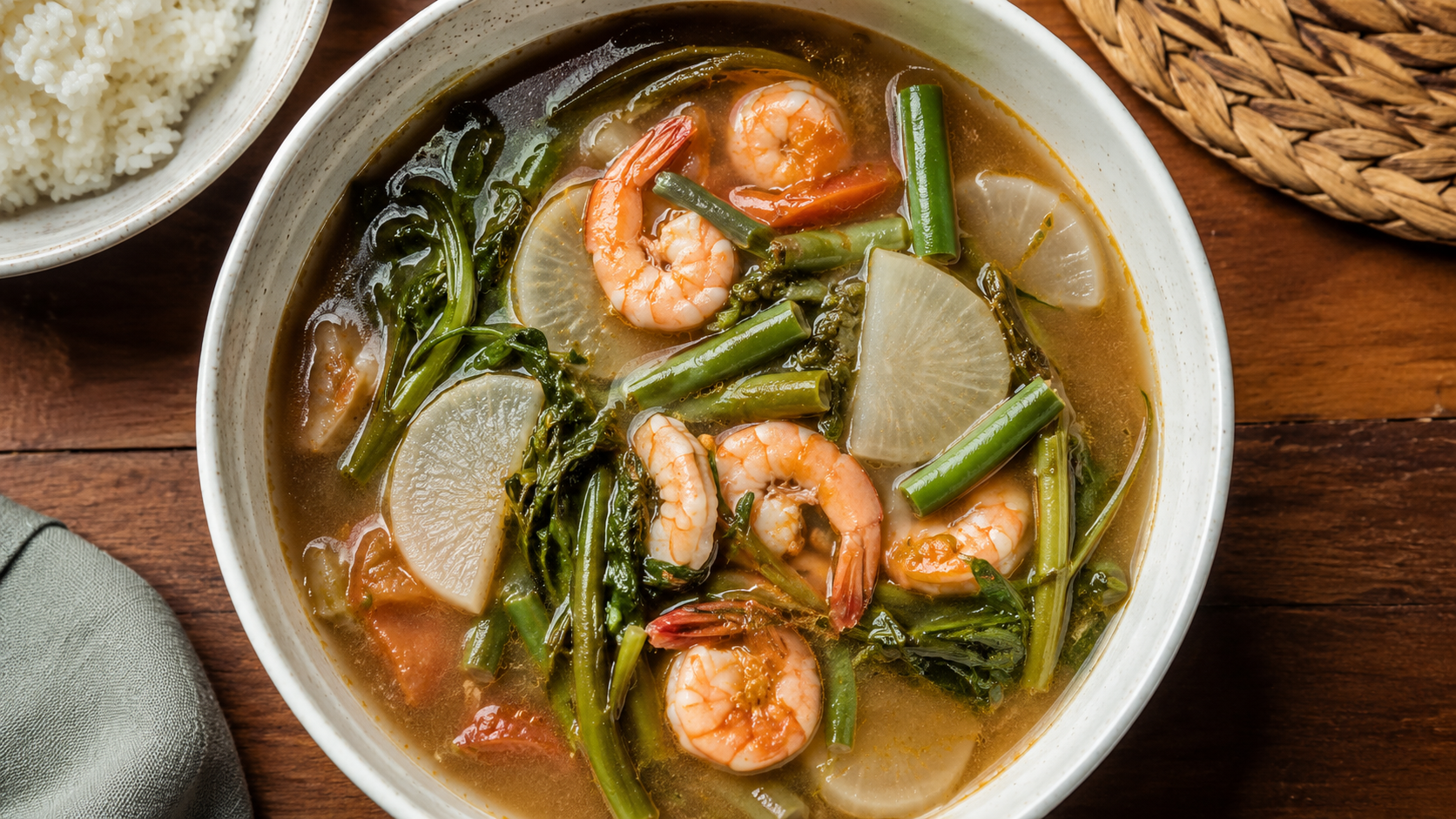
Sinigang (Sour Soup)
Sinigang is one of the most nutrient-rich dishes in Filipino cooking. This tamarind-based soup is loaded with vegetables like kangkong (water spinach), tomatoes, radishes, string beans, and eggplant. When made with shrimp or fish, it's a high-protein, low-fat meal that's naturally rich in vitamins and minerals. The sour broth is also light on added fats.
Pinakbet
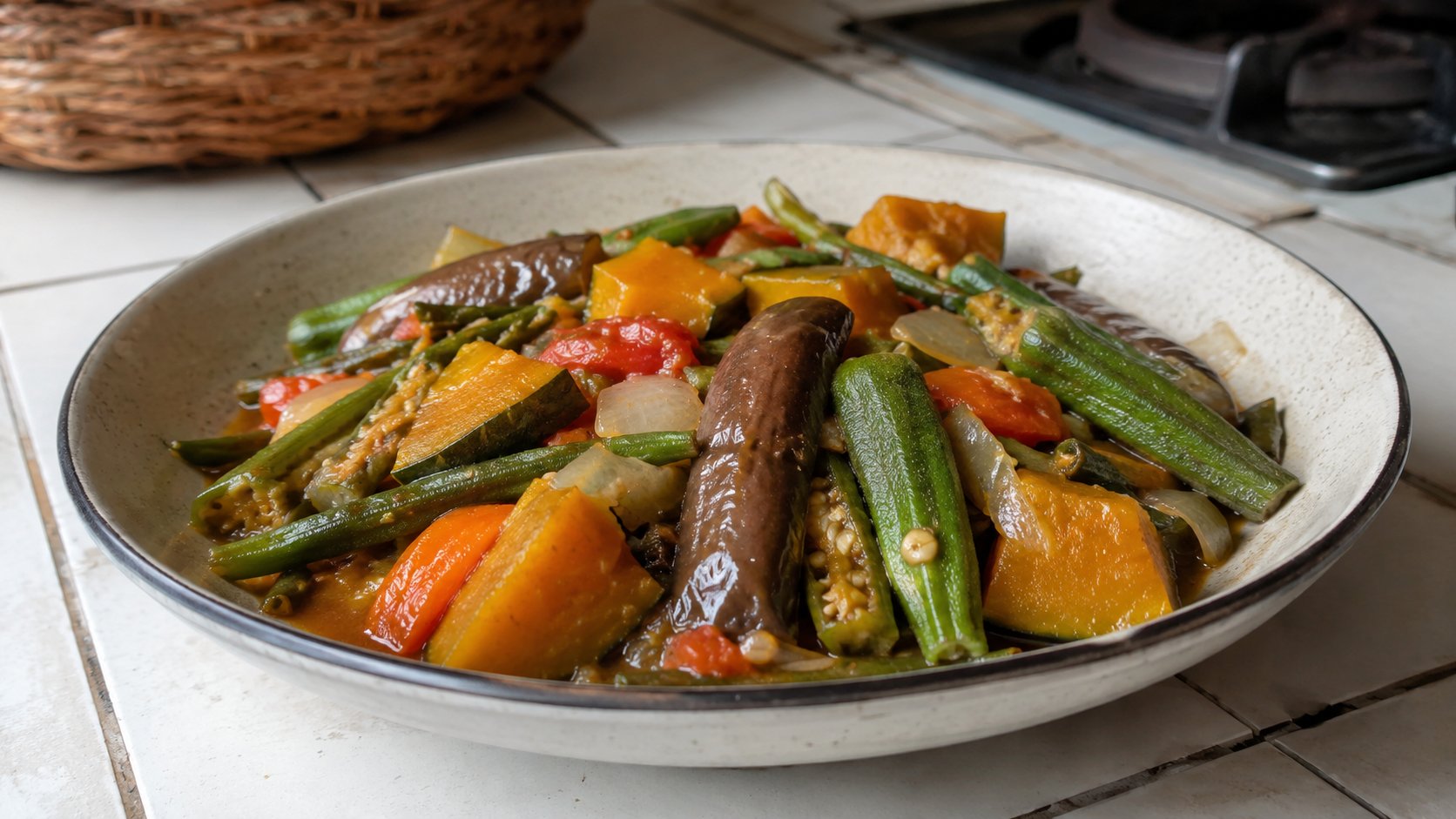
Pinakbet is a vegetable stew featuring squash, bitter melon (ampalaya), eggplant, okra, and tomatoes, often seasoned with shrimp paste. It's packed with fiber, vitamins A and C, and antioxidants. Bitter melon has been studied for its possible effects on blood sugar, though the research so far is small-scale and mixed. It’s still a nutrient-dense, low-calorie addition to the table — if you’re on insulin or other blood sugar medication, it’s worth mentioning to your doctor before eating it regularly, since it can amplify their effect.
Tinola (Chicken Ginger Soup)
Tinola is a comforting ginger-based chicken soup with green papaya or chayote and moringa leaves (malunggay). It's naturally low in fat, high in protein, and rich in iron and calcium from the moringa. Ginger also supports digestion and has anti-inflammatory properties. This is a perfect bowl for when you need something nourishing and light.
Ensaladang Talong (Grilled Eggplant Salad)
This simple dish of grilled eggplant with tomatoes, onions, and a splash of vinegar is low in calories and high in fiber. It makes a wonderful side dish or snack and requires very little oil. Eggplant is also a good source of antioxidants that support heart health.
Laing (Taro Leaves in Coconut Milk)
Laing features taro leaves slow-cooked in coconut milk with chili and shrimp paste. While coconut milk does add saturated fat, taro leaves are a nutritional powerhouse — rich in iron, fiber, and vitamins. Using light coconut milk or reducing the amount can make this dish more heart-friendly while keeping the flavor.
Takeaways & Tips to Make Filipino Food Even Healthier
Filipino food can oftentimes be healthy. Especially when its authentic, traditional, and natural.
- Use brown rice instead of white rice to add fiber and nutrients.
- Choose grilled, steamed, or soup-based dishes over fried ones.
- Reduce the amount of soy sauce or patis (fish sauce) to lower sodium.
- Add extra vegetables to any dish — they stretch the meal and boost nutrition.
- Use coconut milk sparingly, or swap in light versions.
Filipino cuisine is full of naturally healthy options. A few small tweaks can make your favorite dishes even more nutritious — without losing the flavors you love.