Being told you have COPD (chronic obstructive pulmonary disease) can bring up a lot of emotions — fear, frustration, or even relief at finally having an answer for your symptoms. Whatever you're feeling, know that you're not alone, and there's a lot you can do to manage your condition and live well.
What Is COPD?
COPD is a lung condition that makes it harder to breathe over time. It includes conditions like emphysema and chronic bronchitis. Common symptoms include shortness of breath, a persistent cough, wheezing, and feeling tired more easily. COPD is most often caused by long-term exposure to irritants like cigarette smoke, but it can also result from air pollution, chemical fumes, or genetic factors.
COPD is a chronic condition, meaning it doesn't go away — but with the right care, many people manage it successfully for years.
Treatment Options That Help
Your care team will work with you to create a treatment plan tailored to your needs. Common treatments include:
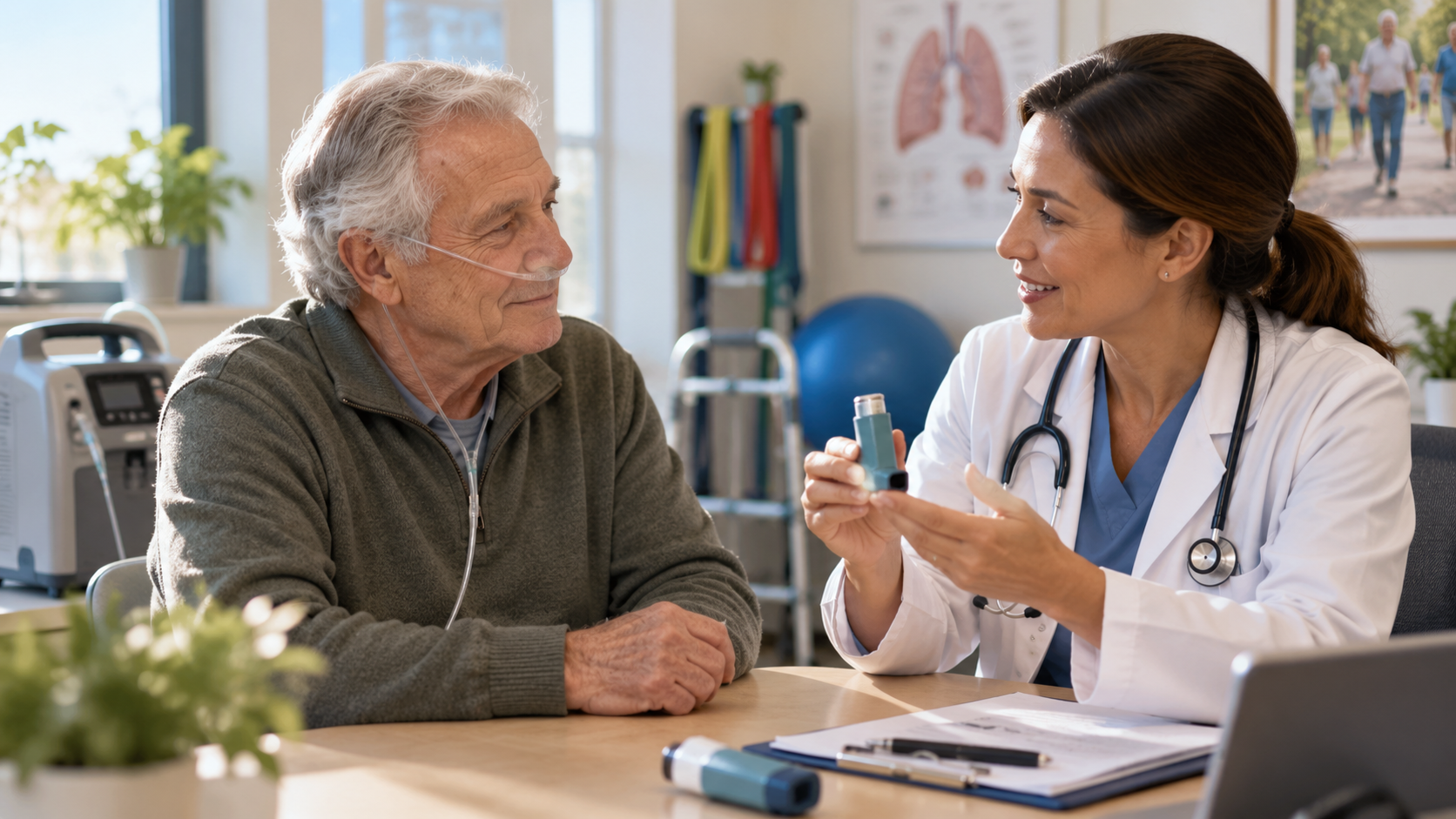
- Inhalers — Bronchodilators help open your airways, and anti-inflammatory inhalers reduce swelling. These are often the first line of treatment.
- Pulmonary rehabilitation — This program combines exercise, breathing techniques, and education to help you stay active and manage symptoms.
- Oxygen therapy — If your oxygen levels are low, supplemental oxygen can help you breathe easier and protect your organs.
- Medications — Your doctor may prescribe antibiotics for flare-ups, steroids to reduce inflammation, or other medications based on your symptoms.
- Vaccinations — Staying up to date on flu and pneumonia vaccines is especially important for people with COPD.
Daily Habits That Make a Difference
Beyond medical treatment, there are everyday steps that can help you feel your best:
- Quit smoking — If you smoke, quitting is the single most important thing you can do to slow the progression of COPD. Ask your doctor about quit-smoking programs and aids.
- Stay active — Gentle exercise like walking, stretching, or chair exercises can strengthen your muscles and improve your breathing over time.
- Eat well — A balanced diet rich in fruits, vegetables, lean protein, and whole grains gives your body the fuel it needs. Some people with COPD burn more calories just breathing, so eating enough is important.
- Practice breathing techniques — Pursed-lip breathing and diaphragmatic breathing can help you get more air with less effort.
- Avoid triggers — Stay away from smoke, strong fumes, dust, and extreme temperatures when possible.
Coping with the Emotional Side
A COPD diagnosis can take a toll on your mental health, too. It's common to feel anxious about breathing difficulties or frustrated by limitations. If you're struggling emotionally, please talk to your doctor — they can connect you with counseling, support groups, or other resources.
Staying socially connected also matters. Spending time with family and friends, joining a COPD support group, or even connecting with others online can help you feel less isolated.
Takeaway: A COPD diagnosis isn't the end of living well — it's the beginning of learning how to take care of yourself in a new way. With the right treatment and daily habits, you can manage your symptoms and keep doing the things you love.